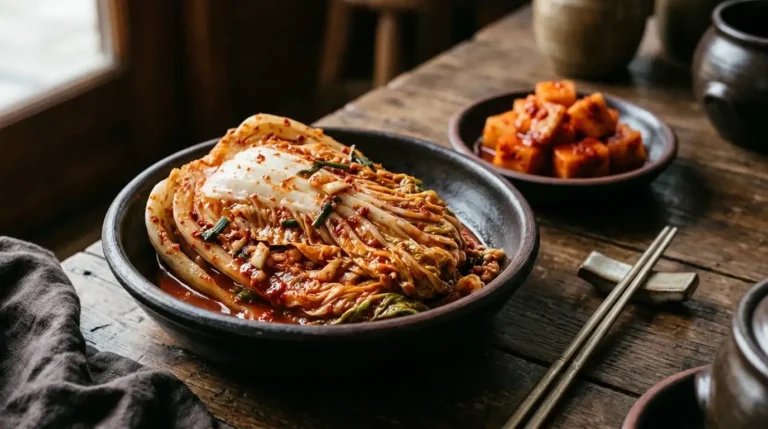
Kimchi: Kimjang, the Chili Debate and the Bacteria in the Jar
Kimchi is salted, fermented vegetables, most often napa cabbage. The UNESCO-listed kimjang season, the debate over chili's arrival and the bacteria at work.

Grilled cheese and every other sandwich, from the griddle to history
Search the newsroom
Press Enter to search or Esc to close.
Latest stories
Kimchi is salted, fermented vegetables, most often napa cabbage. The UNESCO-listed kimjang season, the debate over chili's arrival and the bacteria at work.
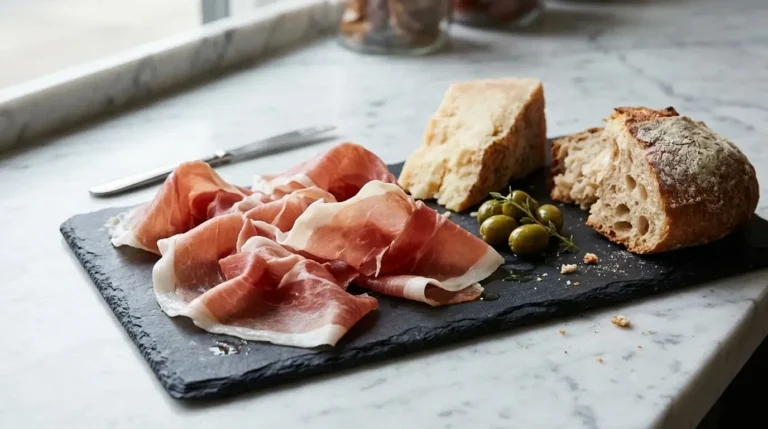
Prosciutto di Parma allows only pork and salt; San Daniele keeps the trotter and a guitar shape. How each ham is made and why the US...
Hash browns began as 1880s hashed brown potatoes and turned into lunch-counter slang by 1911. Their history, their Swiss cousin and the flat-top method.
Cheese fondue traces to a 1699 Zurich recipe, but a Swiss cheese cartel made it a national dish. The history, the classic blend and why a...
The bagel's first written trace is in 1610 Kraków. How Lower East Side cellar bakers, a powerful union and one machine made the bagel a New...
The smash burger traces to a Kentucky diner and a can of beans. Why an early, hard press builds crust and how a Denver-area chain made...
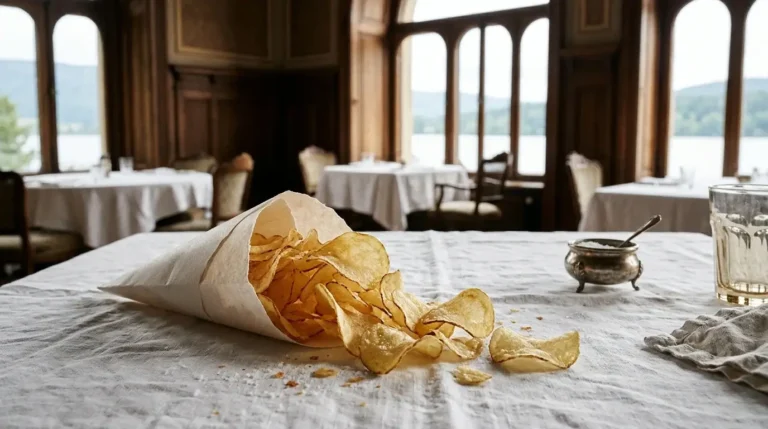
Who invented potato chips? Not George Crum, as far as the records show. The 1817 recipe, the Saratoga legend, and the bag that put chips next...
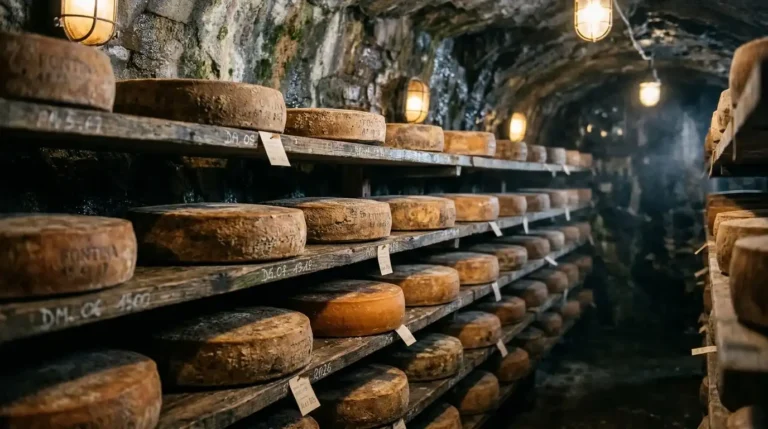
Fontina cheese is made in Italy's Aosta Valley from raw milk of a single milking. How the DOP rules work, how Danish fontina differs and why...
Tacos al pastor grew out of Lebanese spit-roasting in Puebla. How lamb became pork, pita became a corn tortilla, and who claims the pineapple on top.
Sauerkraut is shredded cabbage and salt soured by bacteria. How the fermentation works, why Cook carried tons of it, and the year it became liberty cabbage.