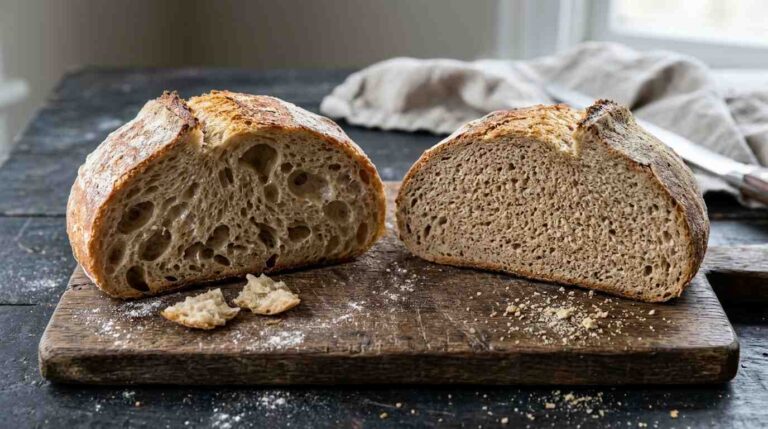
Why Bread Goes Stale: Starch Crystals, Cold Storage and Reheating
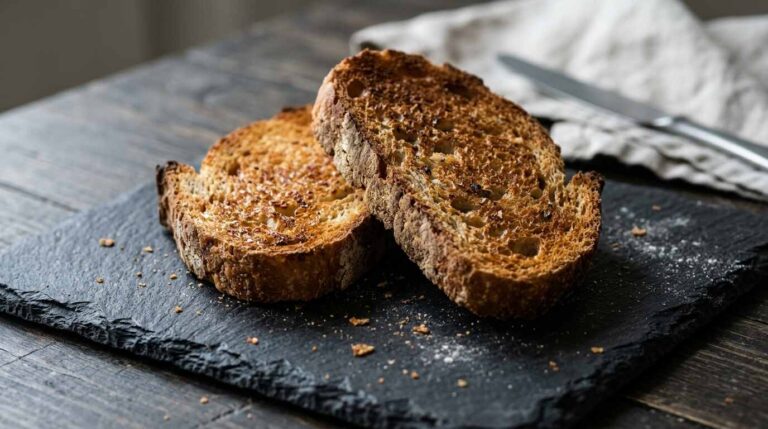
Bread hardens as starch re-forms crystals, not just from drying. Sources on why the fridge speeds it up, how freezing helps and why toasting works.

Grilled cheese and every other sandwich, from the griddle to history
Search the newsroom
Press Enter to search or Esc to close.
Category
Why cheese melts, bread browns and sandwiches go soggy, explained from the chemistry and the sources.
Bread hardens as starch re-forms crystals, not just from drying. Sources on why the fridge speeds it up, how freezing helps and why toasting works.
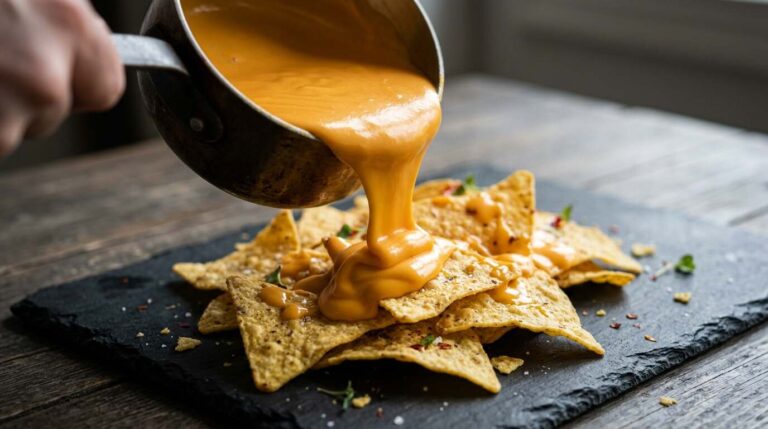
Sodium citrate binds calcium in casein so cheese melts without breaking. Sources on the 1911 origin, the 3 percent legal cap and home sauce ratios.
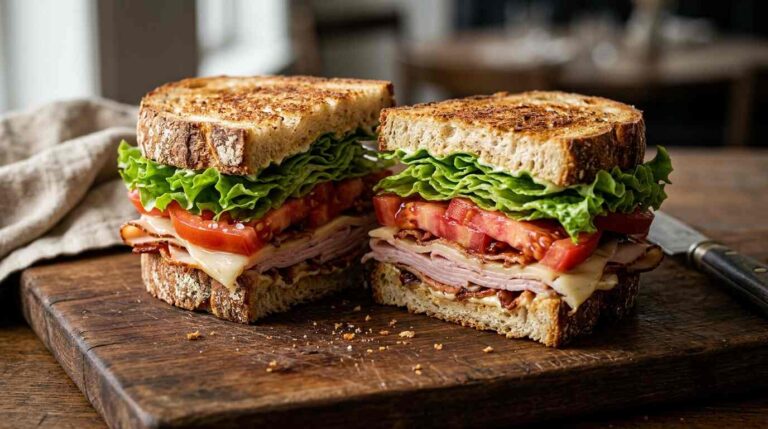
Sandwiches turn soggy when water moves from wet fillings into bread. Sources on water activity, lettuce, tomato, fat barriers, toasting and packaged sandwiches.
Bread browns when sugars and amino acids react on a hot, dry surface. Sources on Maillard and Hodge, crust formation, toast chemistry and caramelization.
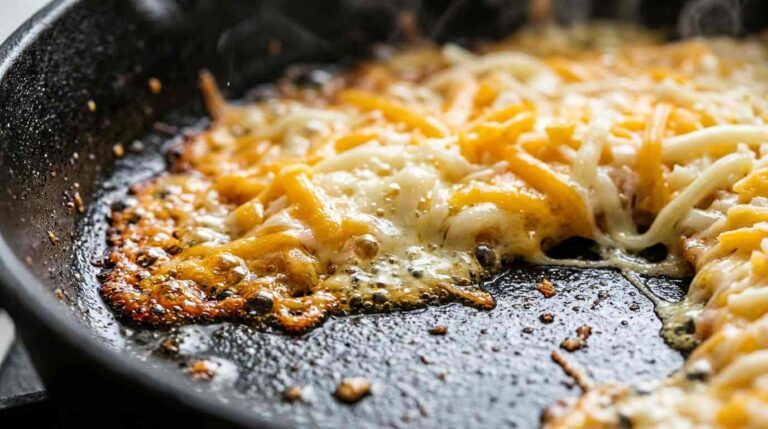
Cheese melts when heat loosens its casein network and turns greasy when the network collapses. Sources on acid, calcium, age and why oil separates.