Quesadilla: Cheese or No Cheese, and Why Mexico City Asks
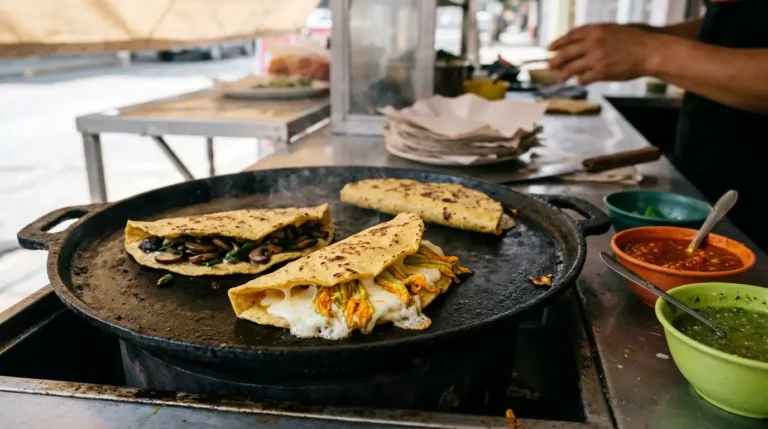
A quesadilla in Mexico City may hold no cheese at all. The Spanish roots of the word, 19th-century recipes, and why the cheese debate has two...

Grilled cheese and every other sandwich, from the griddle to history
Search the newsroom
Press Enter to search or Esc to close.
Latest stories
A quesadilla in Mexico City may hold no cheese at all. The Spanish roots of the word, 19th-century recipes, and why the cheese debate has two...
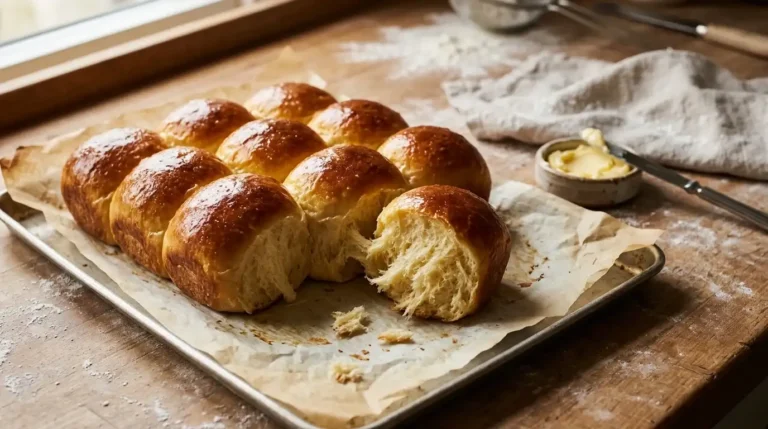
What makes a brioche bun real brioche, how the French butter bread reached Wendy's and Popeyes, and why some chefs say it is the wrong bun...
The Chicago-style hot dog: an all-beef frank, a steamed poppy seed bun and seven toppings. Where Vienna Beef, Maxwell Street and the ketchup rule came from.
Potato salad splits into warm vinegar styles from southern Germany and cold mayonnaise ones. Where each came from, and why the mayo is not the real...
Brie de Meaux is raw-milk, hand-ladled and aged four weeks or more. Why it was named the prince of cheeses in 1815, and how a US...
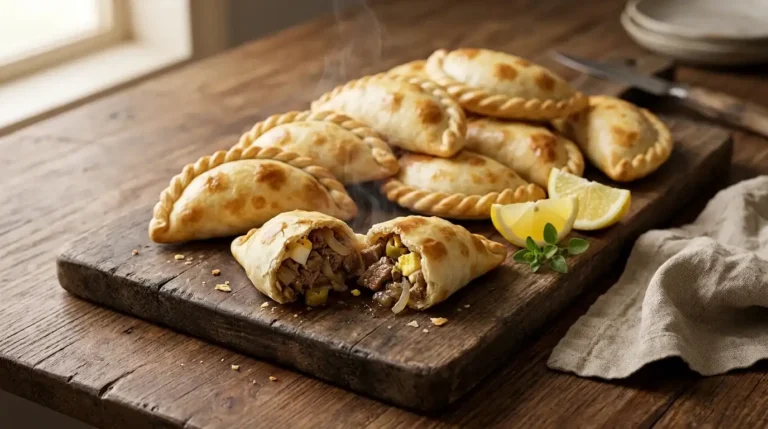
The empanada was carved into Santiago Cathedral in the 12th century. How the Galician pie became Argentina's hand pie, and why Tucumán crimps 13 folds.
Giardiniera began as an Italian vinegar pickle of garden vegetables. How Chicago chopped it fine, packed it in oil and spooned it over Italian beef.
Genoa salami is an American dry salami with a federal moisture rule. How it differs from Liguria's smoked Salame di Sant'Olcese and how fermentation cures it.
Teppanyaki began in postwar Kobe when Misono put steak on an okonomiyaki iron plate. How Benihana took it to New York in 1964, and why it...
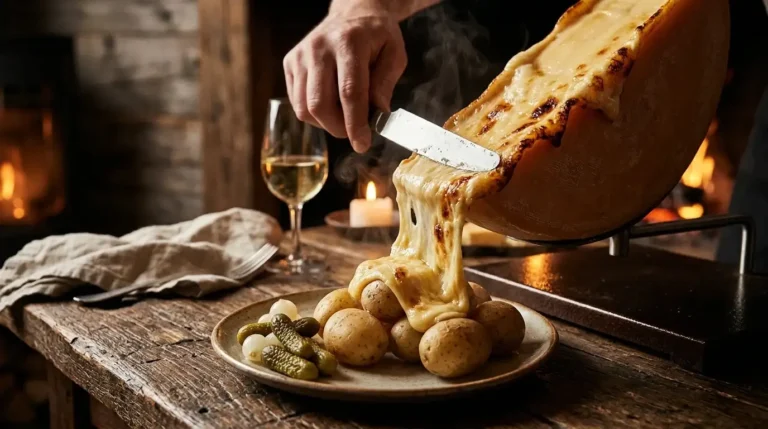
Raclette comes from racler, to scrape. The Valais cheese officially named in 1874, its raw-milk AOP rules, the wood-fire method and the tabletop grill.