In this story
A quesadilla is a tortilla folded around a filling and cooked until hot, either dry on a griddle or fried. North of the border and across most of Mexico, that filling is cheese by definition. In Mexico City, a cook at a street stall will often ask whether the customer wants cheese at all, and a quesadilla of squash blossoms, mushrooms or shredded chicken tinga can arrive with none.
Video: Episode 708: The Case for Quesadillas, Rick Bayless \"Mexico: One Plate at a Time\", from the Rick Bayless YouTube channel
A Spanish word for a cheese pastry
From quesada to quesadilla
The name is Spanish and it does mean cheese. The Online Etymology Dictionary dates the English use to 1903 and gives the source as the diminutive of quesada, a kind of cheesecake, from queso. Older texts used the word for a sweet cheese pastry, and sometimes for something closer to a cheese sauce.
The Spanish ancestor is a dessert. Mexico News Daily’s December 2024 entry on the dish, by Mexico City food writer María Meléndez, traces the word to the quesada of Cantabria in northern Spain, a sweet tart of fresh cheese, flour, eggs and sugar. During the colonial period, the term crossed into the cooking of New Spain and came to mean a corn tortilla with savory fillings, cheese chief among them.
A popular theory holds that the word is Nahuatl instead, from a supposed “quesaditzin” meaning folded tortilla. Meléndez points out that the Nahuatl word for tortilla is tlaxcalli, which would not produce anything like “quesa-.” Alberto Peralta, an anthropologist and culinary historian at Anáhuac University in Mexico City who speaks Nahuatl, rejected the idea outright in a 2018 report from PRI’s The World.
What the old cookbooks say
Chicharrón, brains and squash blossoms
The no-cheese quesadilla is sometimes dismissed outside the capital as a recent chilango invention. Nineteenth-century Mexican cookbooks suggest otherwise. A 2022 El Financiero article went back to the sources.
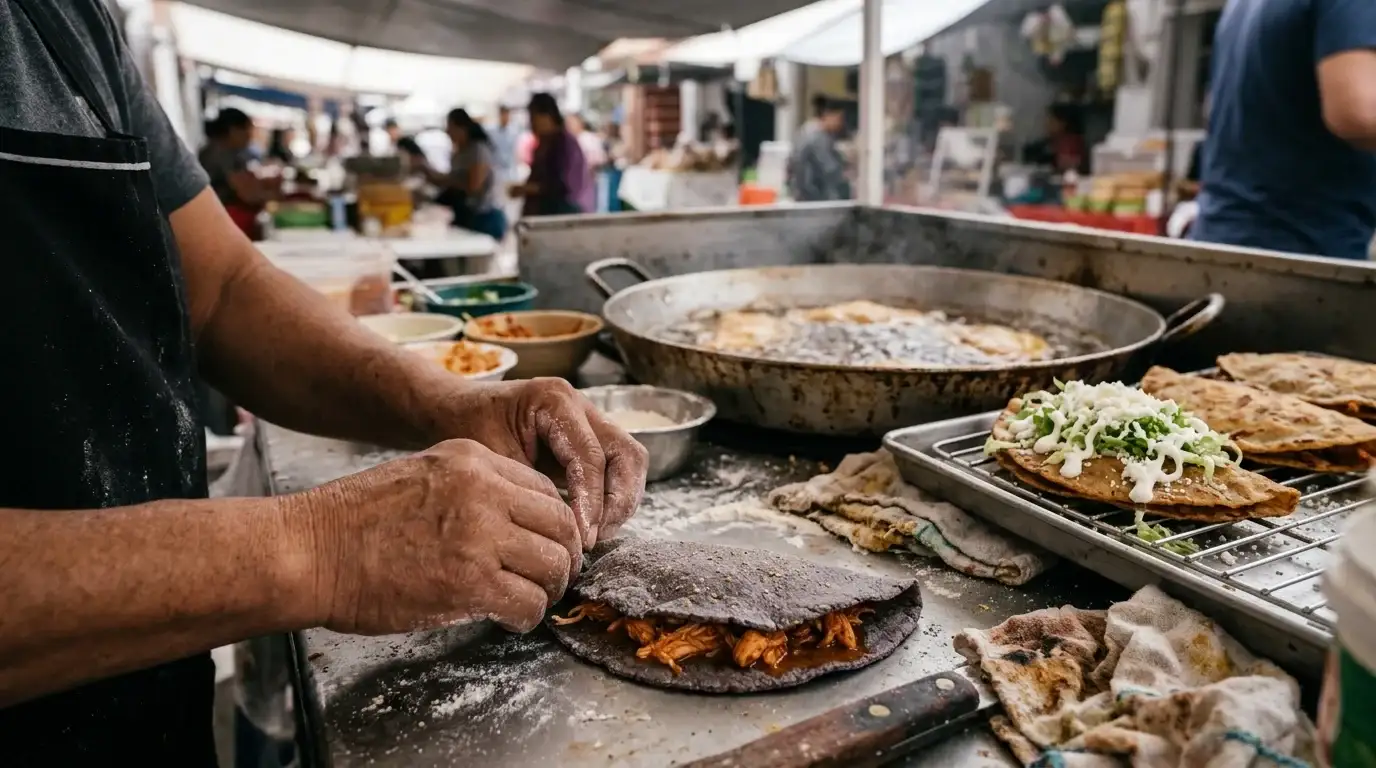
In La cocinera poblana o El libro de las familias, published by Narciso Bassols in 1872, the main quesadilla recipe is masa filled with ground chicharrón, toasted pasilla chile, epazote and salt, sealed at the edges and fried in lard. No cheese. A second recipe, titled simply “other quesadillas,” fills thin masa tortillas with crumbled fresh or aged cheese and epazote before frying. The same book lists brains, chopped squash blossoms, sausage and chile strips as fillings.
The 1894 edition of the anonymous Nuevo cocinero mexicano goes further. Some of its quesadillas are sweet, some hold cheese, and others hold chicharrón fat, brains, ahuautle or squash blossoms. Its authors flagged the contradiction themselves, noting that although the name points to cheese, many quesadillas contain none.

What the dictionaries allow
El Financiero also checked the definitions. Spain’s 1737 Diccionario de Autoridades described a quesadilla as a pastry of cheese and dough, often made at Carnival. The current dictionary of the Real Academia Española keeps that pastry sense and adds the Mexican one: a folded corn tortilla filled sometimes with cheese and sometimes with other ingredients. In the words of the academy that governs the language, both camps are right.
Why Mexico City treats cheese as optional
A market city with no cows
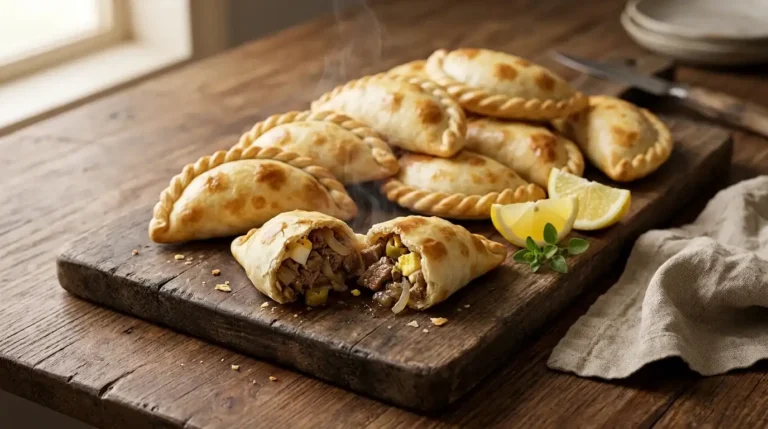
Peralta’s explanation in The World report is geographic. Mexico City sat at the crossroads of trade routes running the length of the Americas for centuries, and its great central market put every filling within reach, so cheese became one ingredient among many. The city also has no dairy herds of its own, he noted, while northern Mexico, with wheat fields and cattle ranches, built its cooking around flour and cheese. He traces the quesadilla itself to small fried medieval empanadas, carried as portable food, with native corn masa replacing the wheat dough after the conquest. In Veracruz, he said, the snack is still called an empanada.
His summary of the argument was diplomatic: “It’s just the same symbol with two different interpretations in two different places.”
Meléndez’s list of Mexico City fillings reads like the 1872 cookbook brought up to date: squash blossoms, mushrooms, huitlacoche (the corn fungus), pressed pork rind, potatoes, tinga, picadillo, chorizo and rajas, any of which may come with or without cheese.
Regional styles beyond the capital
Flour, fish and sugar
Meléndez sorts the rest of the country into a few broad styles. Northern Mexico favors flour tortillas, a habit she links to the influence of the US, and there the quesadilla always includes cheese. Coastal kitchens fry pescadillas, quesadillas filled with seafood. Some regions make sweet versions with piloncillo and fresh fruit, an echo of the Spanish cheesecake the name came from.
Cooking method splits the dish again. A comal quesadilla is griddled without oil, which Meléndez notes is considered the lighter option. A fried quesadilla, often made from raw masa sealed around the filling as in the 1872 recipe, goes into oil or lard and comes out topped with salsa, lettuce, crumbled cheese and cream.
The quesadilla in the American kitchen
A griddle sandwich by another name
The American quesadilla, built on a flour tortilla with melted cheese, follows the northern Mexican pattern. On a flat-top it behaves much like a grilled cheese: the tortilla browns, the cheese melts, and the fold seals it. GrillCheesy’s guide to Monterey Jack covers one of the American cheeses most often used in it.
The cast-iron comal is the traditional pan for the dry method. Home versions are flat cast-iron pans with low walls, made for flipping tortillas.
- Uno Casa Cast Iron Comal Pan 11.5 Inch, Comal para Tortillas, Roti and Dosa: a flat pre-seasoned cast-iron comal with a removable silicone handle cover. See it on Amazon (affiliate link)
Video: Uno Casa Cast Iron Tortilla Press & Comal Pan Review, from the Reviewsinside YouTube channel
As an Amazon Associate I earn from qualifying purchases. A commission may be earned if you buy through this link, at no extra cost to you.
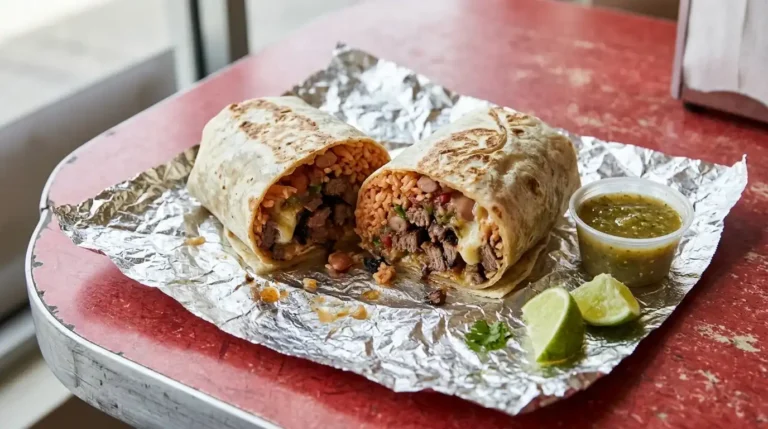
The quesadilla sits in a crowded family of folded and wrapped foods. GrillCheesy has covered the contested origin of the burrito, the spit-roasted pork of tacos al pastor, and the empanada, the Spanish turnover Peralta names as the quesadilla’s ancestor.

Frequently asked questions
Does a quesadilla have to have cheese?
Not in Mexico City, where fillings such as squash blossoms, mushrooms or tinga often come without it. Elsewhere in Mexico and in the US, cheese is expected. The Real Academia Española’s definition allows both.
Where does the word quesadilla come from?
From Spanish, a diminutive of quesada, a cheese pastry. The Nahuatl “quesaditzin” theory is rejected by historians.
Are quesadillas without cheese a new idea?
No. Mexican cookbooks from 1872 and 1894 include quesadillas filled with chicharrón, brains or squash blossoms and no cheese.
What is the difference between a corn and flour quesadilla?
Corn quesadillas are the central and southern Mexican tradition, griddled or fried; flour quesadillas are the northern style, always made with cheese.
Sources
- Online Etymology Dictionary, “quesadilla”: https://www.etymonline.com/word/quesadilla
- María Meléndez, “Taste of Mexico: Quesadilla,” Mexico News Daily (December 14, 2024): https://mexiconewsdaily.com/food/taste-of-mexico-quesadillas
- “In Mexico City, if you want cheese in your quesadilla, you have to ask,” The World (July 10, 2018): https://theworld.org/stories/2018-07-10/mexico-city-if-you-want-cheese-your-quesadilla-you-have-ask
- “Las quesadillas ¿van con o sin queso? Así se preparaban según recetarios del siglo XIX,” El Financiero (June 16, 2022): https://www.elfinanciero.com.mx/food-and-drink/2022/06/16/las-quesadillas-van-con-o-sin-queso-asi-se-preparaban-segun-recetarios-del-siglo-xix/