In this story
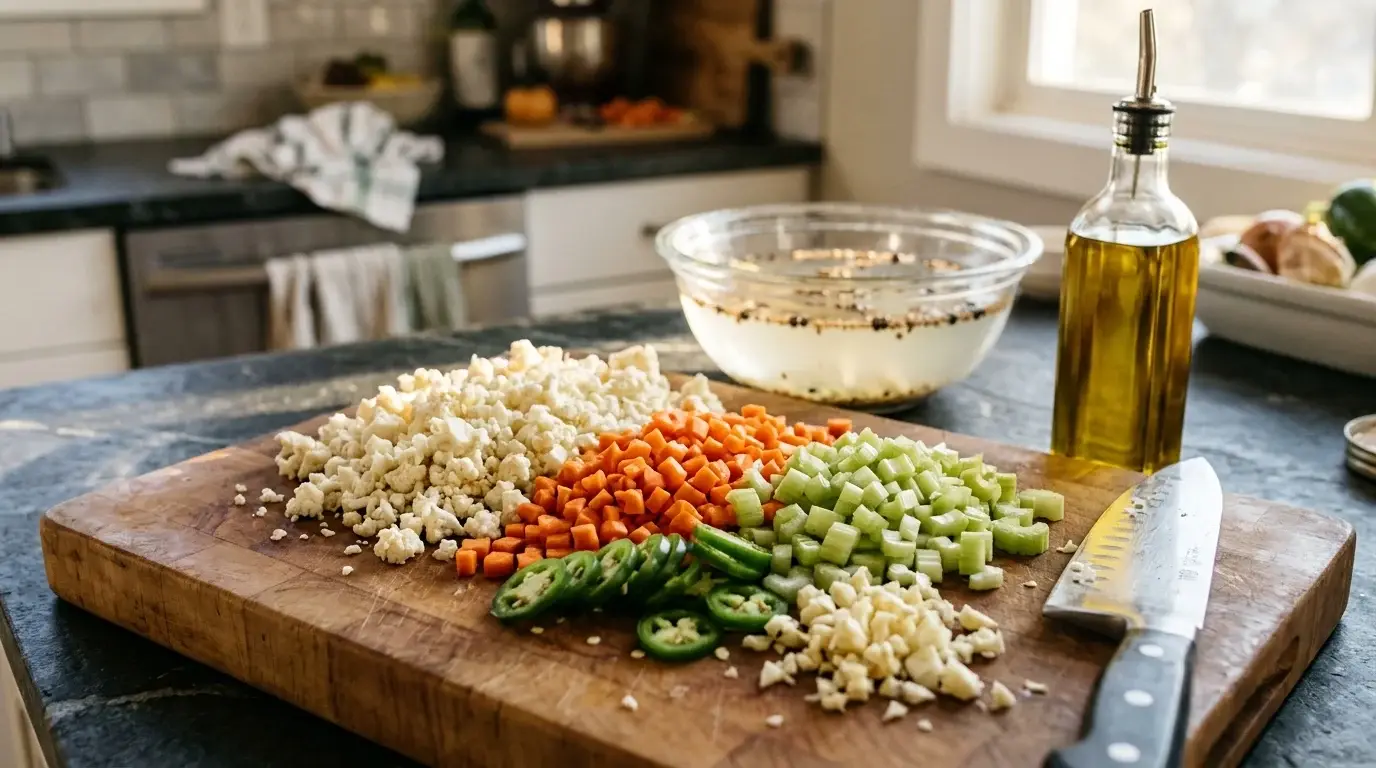
Giardiniera is a jar of pickled vegetables, usually cauliflower, carrots, celery and peppers. In Italy it is a side dish or part of an antipasto spread, cut in big pieces and sharp with vinegar. In Chicago it became something else: chopped small, packed in oil, hot with chile peppers and spooned over sandwiches. The two share a name and a basic method, and very little else at the table.
Video: The Best Hot Giardiniera (Chicago-Style!), from the Chili Pepper Madness YouTube channel
A pickle from the garden
The Italian original
The name says where it starts. DeLallo, the Italian food importer, explains that giardiniera, pronounced jar-din-AIR-uh, comes from the Italian giardino, meaning “garden.” Italian families pickled seasonal vegetables to eat through the winter and served them as antipasto or a side. The method DeLallo describes is simple: cut the vegetables into bite-size pieces, soak them overnight in salt water, rinse and drain, then pack them in jars with vinegar, oil and seasonings.
Tasting Table, tracing the condiment’s path to Chicago, describes the traditional Italian version as large chunks of carrots, cauliflower, celery and green olives kept in vinegar.
Across the Atlantic to Chicago
Sicilian immigrants and a splash of oil
The pickle came with immigrants. The Ringer‘s Kate Knibbs, writing in 2018, notes that no definitive origin story exists for Chicago’s version, but that it likely arrived with late-nineteenth-century Italian immigration. Tasting Table connects the city’s style to Sicily in particular. It reports that many Italian immigrants to Chicago between 1880 and 1914 came from Sicily, including families from Nicosia who settled in the South Loop, and links the addition of oil to that Sicilian influence.
The result, in Tasting Table’s description, swaps olives for peppers and uses a mix of vinegar and oil, typically canola or mild olive oil. Knibbs adds the signature heat source: sport peppers.
Dave Howey, owner of Al’s Beef, told CBS Chicago in 2011 that Italian families made vegetable relishes long before Chicago had its own; his grandmother made one with eggplant and zucchini.

Small cuts and hot peppers
What makes Chicago giardiniera different
Two things set the Chicago style apart, according to CBS Chicago’s 2011 report: the vegetables are cut small, and they are packed in oil.
Heat varies by maker. CBS reported that Al’s Beef makes its giardiniera in house and gets its heat from red pepper flakes, while Portillo’s buys the Marconi brand from V. Formusa Co., which uses serrano peppers. Jeff Johnson of V. Formusa described serranos as a little hotter than jalapeños. The company, founded in 1898, told CBS it sold about a million pounds of giardiniera a year. Al’s, Howey said, lets its blend sit in oil for about three days before serving.
Built for Italian beef
A topping that grew up with a sandwich
Chicago giardiniera is inseparable from the Italian beef. NPR, explaining the sandwich’s rise in 2022, traces Italian beef to Italian immigrant families who stretched cheaper, tougher cuts by cooking them for hours, slicing them very thin and serving them on fresh bread at weddings and gatherings. Historians largely credit Al’s, which NPR says began selling the sandwich in the 1930s, as the first shop. The Ringer dates Al’s to 1938 and calls it a long-time user of giardiniera.
Howey put it plainly to CBS: giardiniera is “part of the DNA for those stores.” He also said it developed to complement the sandwich’s strong beef flavor. NPR’s article quotes Chicago historian Shermann “Dilla” Thomas, whose regular order is lightly dipped, with both hot and mild peppers.

Beyond the beef stand
Pizza, hot dogs and a national shelf
Giardiniera spread across the menu. Knibbs lists pizza, sandwiches, pasta and eggs among its Chicago uses, and Tasting Table adds hot dogs and deep-dish pizza. Outside Chicago, Knibbs noted in 2018, the oil style was still hard to find; Potbelly served it under the name “hot peppers.” Tasting Table reports that brands including Marconi’s, J.P. Graziano and Mezzetta now ship Chicago-style giardiniera nationwide.
The Chicago-style jars on the market include the brand Portillo’s uses and one from a producer The Ringer profiled:
- Marconi Hot Giardiniera, 16 Ounce: the V. Formusa brand that CBS Chicago reported Portillo’s uses, made hot with serrano peppers. See it on Amazon (affiliate link)
- Enrico Formella Hot Giardiniera, 128 oz: a food-service jar from E. Formella & Sons, which traces its recipe to the early 1900s. See it on Amazon (affiliate link)
Video: An Ode to Marconi Hot Giardiniera, from the xtine cuisine YouTube channel
As an Amazon Associate I earn from qualifying purchases. A commission may be earned if you buy through this link, at no extra cost to you.
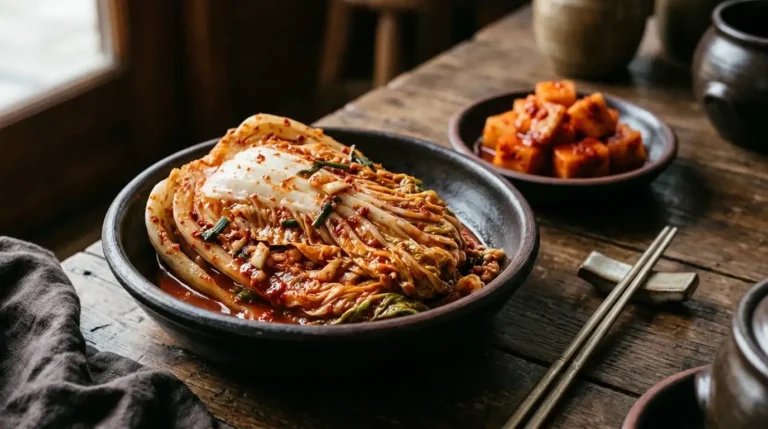
Pickled vegetables are a global habit; GrillCheesy has also covered German sauerkraut and Korean kimchi. On a cold Italian sub with Genoa salami, giardiniera brings the acid and the heat.
Frequently asked questions
What does giardiniera mean?
It comes from the Italian giardino, “garden,” for the mix of garden vegetables in the jar.
What is the difference between Italian and Chicago giardiniera?
Italian giardiniera is typically large-cut vegetables in vinegar. Chicago-style is finely chopped, packed in oil and usually hot with sport or serrano peppers.
Why is giardiniera on Italian beef?
The two grew up together in Chicago’s beef stands. Al’s Beef’s owner has said it developed to complement the sandwich’s strong beef flavor.
Is giardiniera spicy?
Chicago versions usually are, using sport peppers, serranos or red pepper flakes; mild versions are also sold.
Sources
- DeLallo, “What is Giardiniera?”: https://www.delallo.com/blog/what-is-giardiniera/
- Tasting Table, “How Giardiniera Became A Chicago Staple”: https://www.tastingtable.com/1641594/chicago-giardiniera-origin/
- Kate Knibbs, “The Best Pizza Topping That You’ve Probably Never Heard About,” The Ringer (August 28, 2018): https://www.theringer.com/2018/8/28/17789014/giardiniera-chicago-condiment
- Ruthie Kott, “Giardiniera In Chicago,” CBS Chicago (September 14, 2011): https://www.cbsnews.com/chicago/news/giardiniera-in-chicago
- NPR, “How Chicago came to love the Italian beef sandwich” (July 16, 2022): https://www.npr.org/2022/07/16/1111868465/chicago-italian-beef-the-bear