Parmigiano Reggiano: Three Ingredients, a Year in the Cellar and a Fight Over Parmesan
Parmigiano Reggiano is raw milk, salt and calf rennet aged at least 12 months. How EU rules, a 2008 court ruling and US standards set it...

Grilled cheese and every other sandwich, from the griddle to history
Search the newsroom
Press Enter to search or Esc to close.
Latest stories
Parmigiano Reggiano is raw milk, salt and calf rennet aged at least 12 months. How EU rules, a 2008 court ruling and US standards set it...
Gua bao, Taiwan's folded bun of braised pork belly, mustard greens and peanut powder: a 1927 diary entry, Fujian roots and the Momofuku pork bun debate.
Half-sour pickles spend about two weeks in garlic brine; full sours stay for months. How the Lower East Side pickle trade began and how the brine...
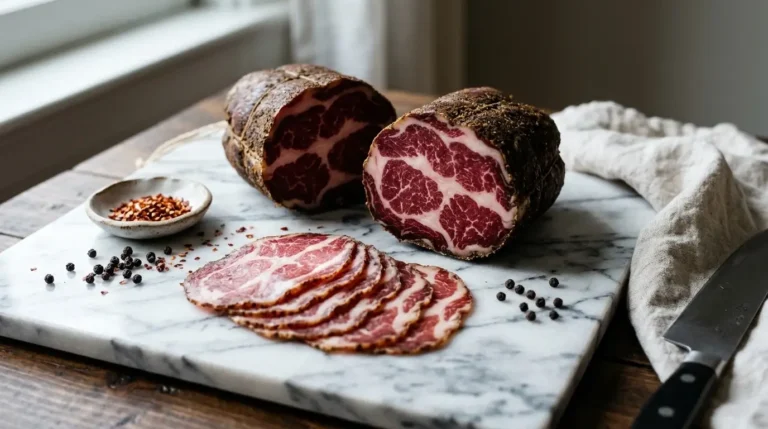
Capicola is cured pork neck. How Coppa di Parma and Capocollo di Calabria are made under EU rules, and why Italian Americans in New Jersey call...
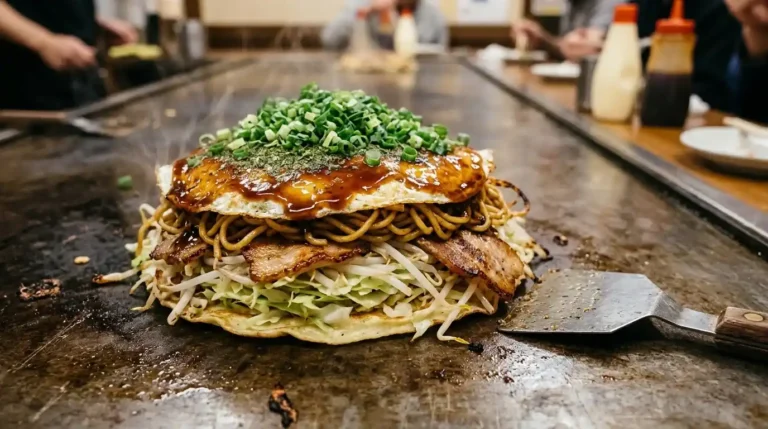
Okonomiyaki, Japan's griddled cabbage pancake: its issen yoshoku roots, Osaka's mixed batter, Hiroshima's layered postwar style and the 1952 sauce.
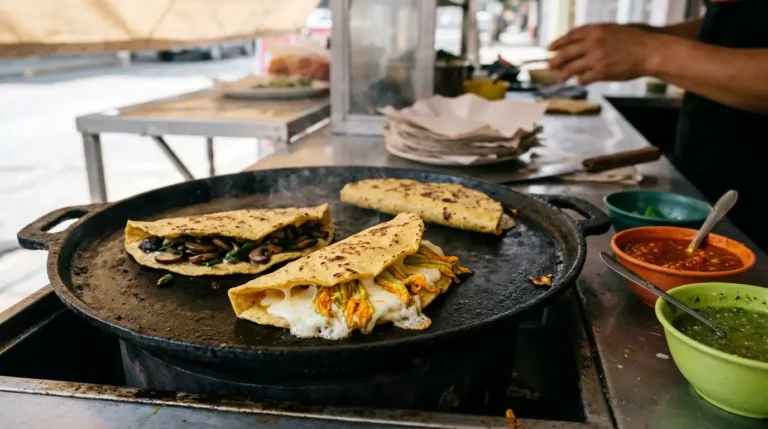
A quesadilla in Mexico City may hold no cheese at all. The Spanish roots of the word, 19th-century recipes, and why the cheese debate has two...
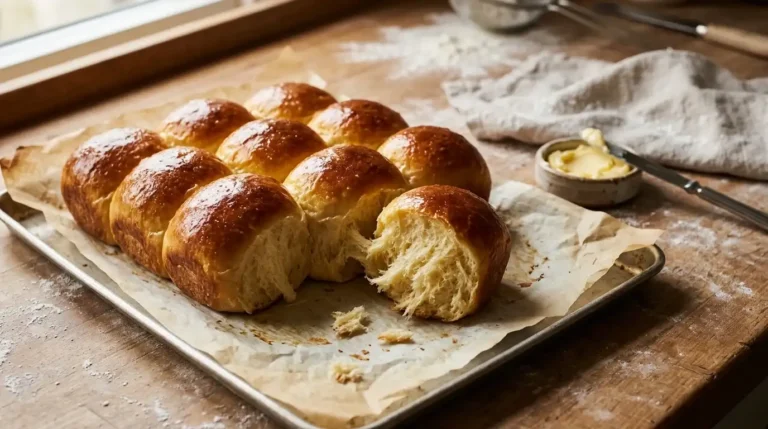
What makes a brioche bun real brioche, how the French butter bread reached Wendy's and Popeyes, and why some chefs say it is the wrong bun...
The Chicago-style hot dog: an all-beef frank, a steamed poppy seed bun and seven toppings. Where Vienna Beef, Maxwell Street and the ketchup rule came from.
Potato salad splits into warm vinegar styles from southern Germany and cold mayonnaise ones. Where each came from, and why the mayo is not the real...
Brie de Meaux is raw-milk, hand-ladled and aged four weeks or more. Why it was named the prince of cheeses in 1815, and how a US...