In this story
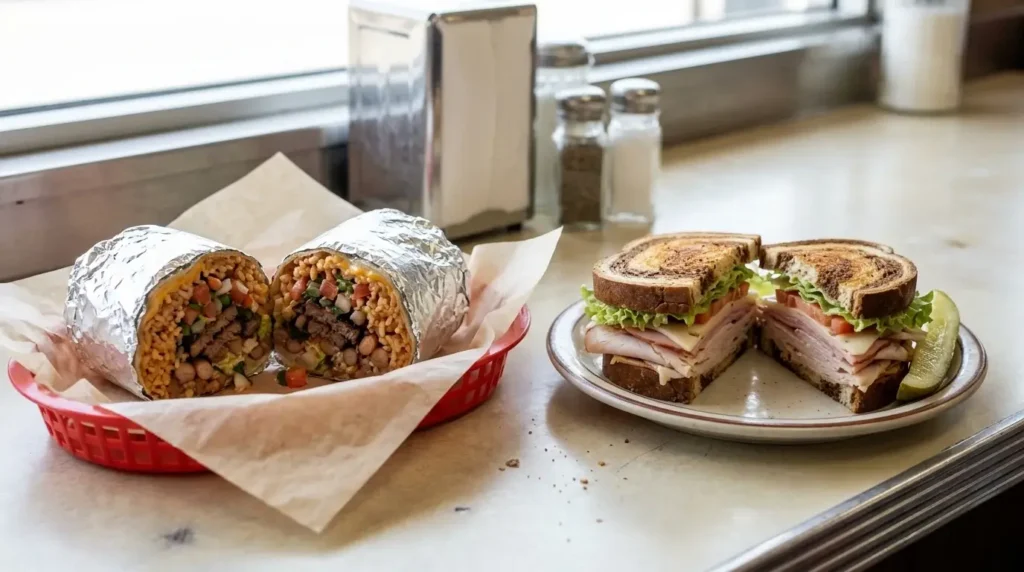
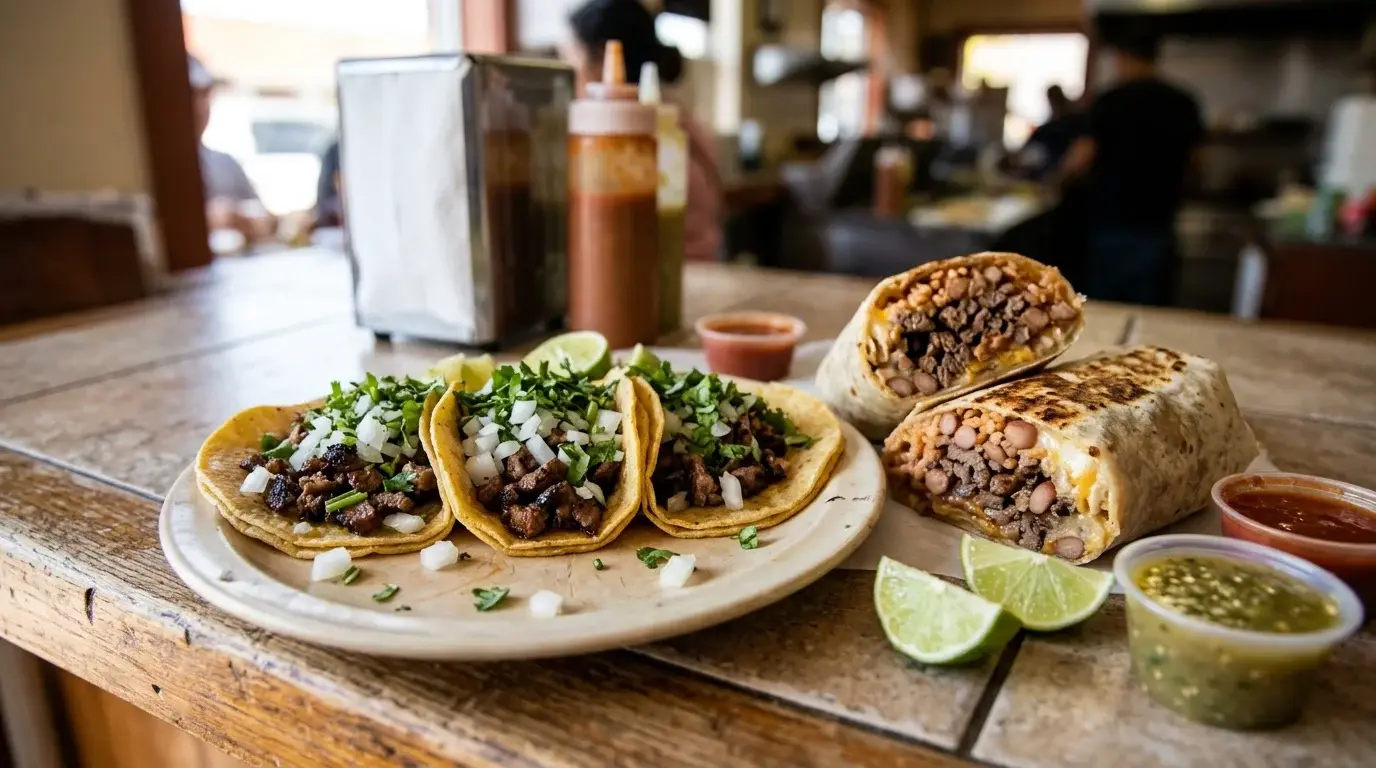
American law has answered the question three different ways. A Massachusetts court ruled in 2006 that a burrito is not a sandwich. An Indiana court ruled in 2024 that it is. New York State has taxed burritos as sandwiches for years, and the U.S. Department of Agriculture splits the difference with a phrase of its own.
Video: Indiana judge finds 'tacos and burritos are Mexican-style sandwiches', from the ABC 7 Chicago YouTube channel
Panera against Qdoba
A lease with a ten percent clause
The first ruling grew out of a shopping center lease in Shrewsbury, Massachusetts. A Minnesota Law Review note, “Constructing the Sandwich”, published in February 2019, laid out the facts of White City Shopping Center, LP v. PR Restaurants, LLC. PR Restaurants ran twenty-two Panera Bread locations, and its lease barred the landlord from renting to a bakery or restaurant expected to make more than ten percent of its sales from sandwiches.
The landlord then negotiated with a Qdoba Mexican Grill franchisee. Panera’s operator asked the court for a preliminary injunction, arguing that Qdoba’s burritos, tacos and quesadillas counted.
The lease never defined the word. That left it to the judge.

The 2006 ruling
Two thin pieces of bread
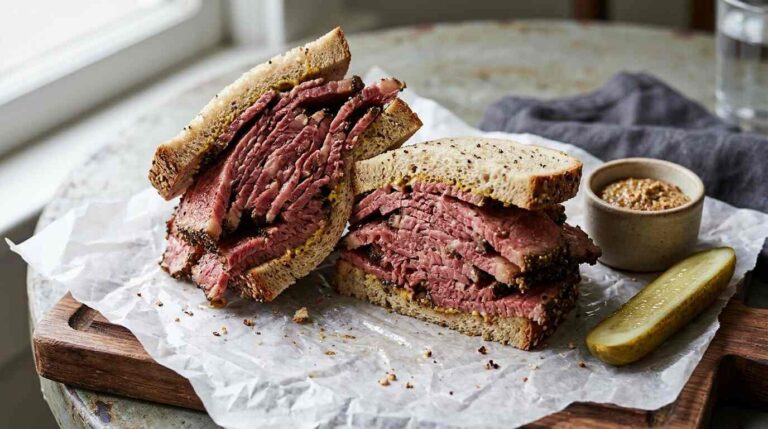
Superior Court Judge Jeffrey Locke ruled that “sandwiches” was not an ambiguous term. According to the law review note, he relied on a dictionary definition, two thin pieces of bread with a thin layer of filling between them, along with common sense, and found that Qdoba’s food did not fit.
Panera’s side had pushed a broader definition, the note reported: filling placed on one slice or between two or more slices of bread or “something that takes the place of bread.” Under that reading, its lawyers argued, tacos, burritos and quesadillas were all sandwiches. The court did not accept it.
A 2024 Washington Post report on a later case, syndicated by the ABA Journal, summarized Locke’s view: tacos, burritos and quesadillas are not commonly understood to be sandwiches. Qdoba was free to open.
The 2024 ruling
Mexican-style sandwiches
Eighteen years later, an Indiana judge went the other way. The ABA Journal piece, by the Post’s Praveena Somasundaram, described a zoning dispute in Fort Wayne. The rules for a shopping center property barred fast food but made an exception for restaurants whose main business was “made-to-order” or Subway-style sandwiches.
The developer, Martin Quintana, wanted to open a location of the restaurant Famous Taco. A city commission turned down his request, and a nearby condominium association had argued the business broke the property’s restrictions.
Allen County Superior Court Judge Craig J. Bobay disagreed with that reading. He wrote that tacos and burritos are “Mexican-style sandwiches,” and that the zoning commitment did not limit restaurants to American-style sandwiches. Famous Taco could open.
The ruling drew attention far outside the courthouse. A court spokesperson, John McGauley, told the Post it brought “the most food-related feedback” the court had received.
New York’s tax answer
Burritos on the sandwich list
Tax collectors had already settled it before the Indiana case. The New York State Department of Taxation and Finance keeps a bulletin titled Sandwiches (TB-ST-835), most recently issued April 8, 2019, explaining what counts as a sandwich for sales tax.
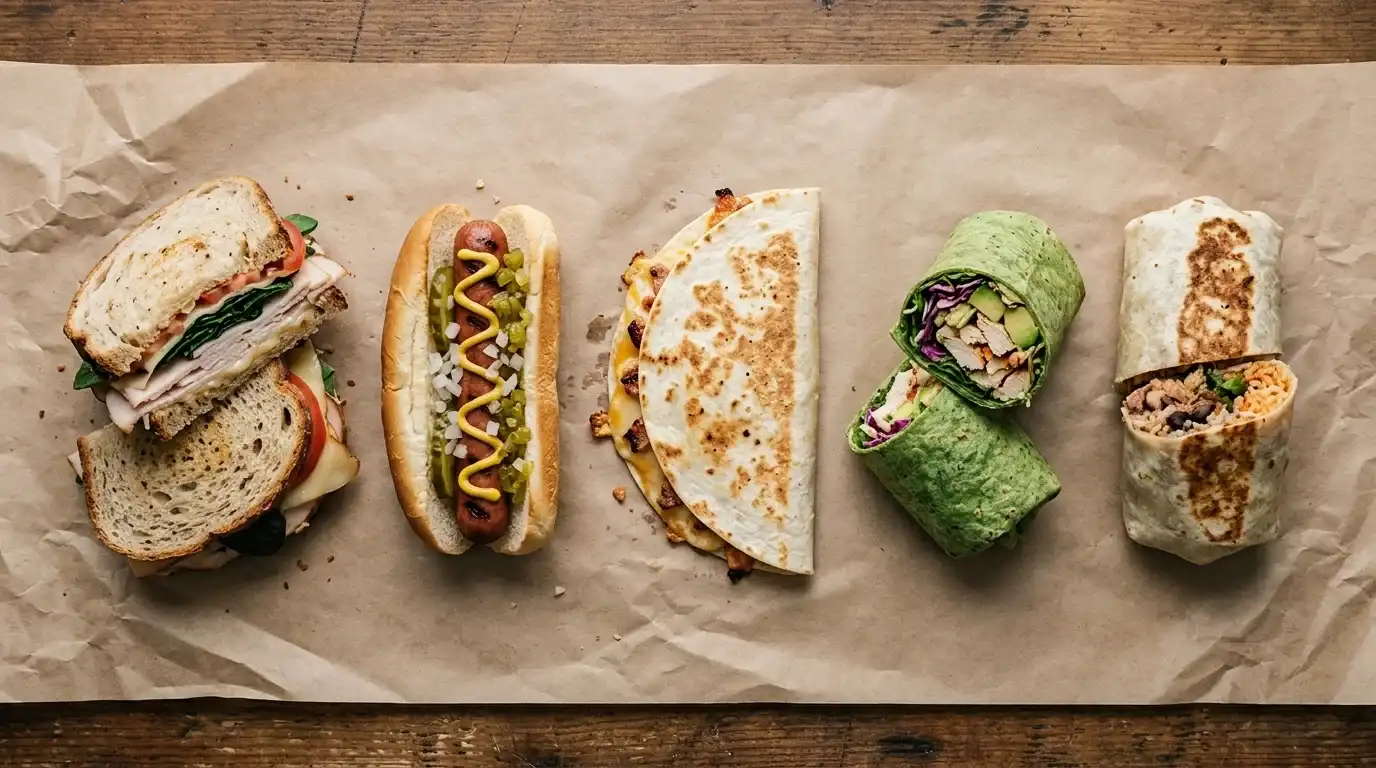
The definition is wide. Sandwiches include hot and cold sandwiches “of every kind,” the bulletin says, whether on bread, bagels, rolls, pitas, wraps “or otherwise,” regardless of filling or layers. Its list of examples names burritos outright, along with gyros, wraps, and hot dogs on buns.
The list exists for a tax reason, not a culinary one: the bulletin opens by noting that sandwiches are generally subject to sales tax in New York.
The USDA’s phrase
Sandwich-like
Federal food labeling sits in the middle. The Post’s report noted that the Department of Agriculture’s Food Standards and Labeling Policy Book, published in 2005, describes a burrito as a “Mexican style sandwich-like product.” The wording treats it as a relative of the sandwich without making it one.
The same report mentioned the Cube Rule, an internet classification that sorts foods by where the starch sits. Under it a burrito, enclosed on every side, groups with the calzone, and a taco, with starch on the bottom and two sides, is its own category.
The same argument, other foods
The definitional fight runs through other foods on this site: the hot dog question, the line between grilled cheese and a melt, and the history of the burrito itself. The quesadilla was one of the three foods Panera’s lawyers tried to fold into the lease in 2006, and the stuffed corn rounds of El Salvador appear in the post on pupusas.
The legal record leaves the question where it started. A court in Massachusetts and a court in Indiana, applying different contract language to different facts, reached opposite answers, and both stood.
Further reading
A cookbook built on the question of what people have put between bread over the centuries:
- Sandwiches of History: The Cookbook: All the Best (and Most Surprising) Things People Have Put Between Slices of Bread: Barry W. Enderwick’s 2024 Harvard Common Press hardcover. See it on Amazon (affiliate link)
Video: Sandwiches of History: The Cookbook available for Get!, from the Sandwiches of History YouTube channel
As an Amazon Associate I earn from qualifying purchases. A commission may be earned if you buy through this link, at no extra cost to you.
Sources
- Minnesota Law Review, Constructing the Sandwich (February 22, 2019): https://journals.law.umn.edu/mlr/2019/02/22/constructing-the-sandwich
- Praveena Somasundaram, The Washington Post, via ABA Journal, Are tacos and burritos sandwiches? A judge in Indiana ruled yes (2024): https://www.abajournal.com/syndicated/article/are-tacos-and-burritos-sandwiches-a-judge-in-indiana-ruled-yes
- New York State Department of Taxation and Finance, Tax Bulletin ST-835, Sandwiches (April 8, 2019): https://www.tax.ny.gov/pubs_and_bulls/tg_bulletins/st/sandwiches.htm