
In this story
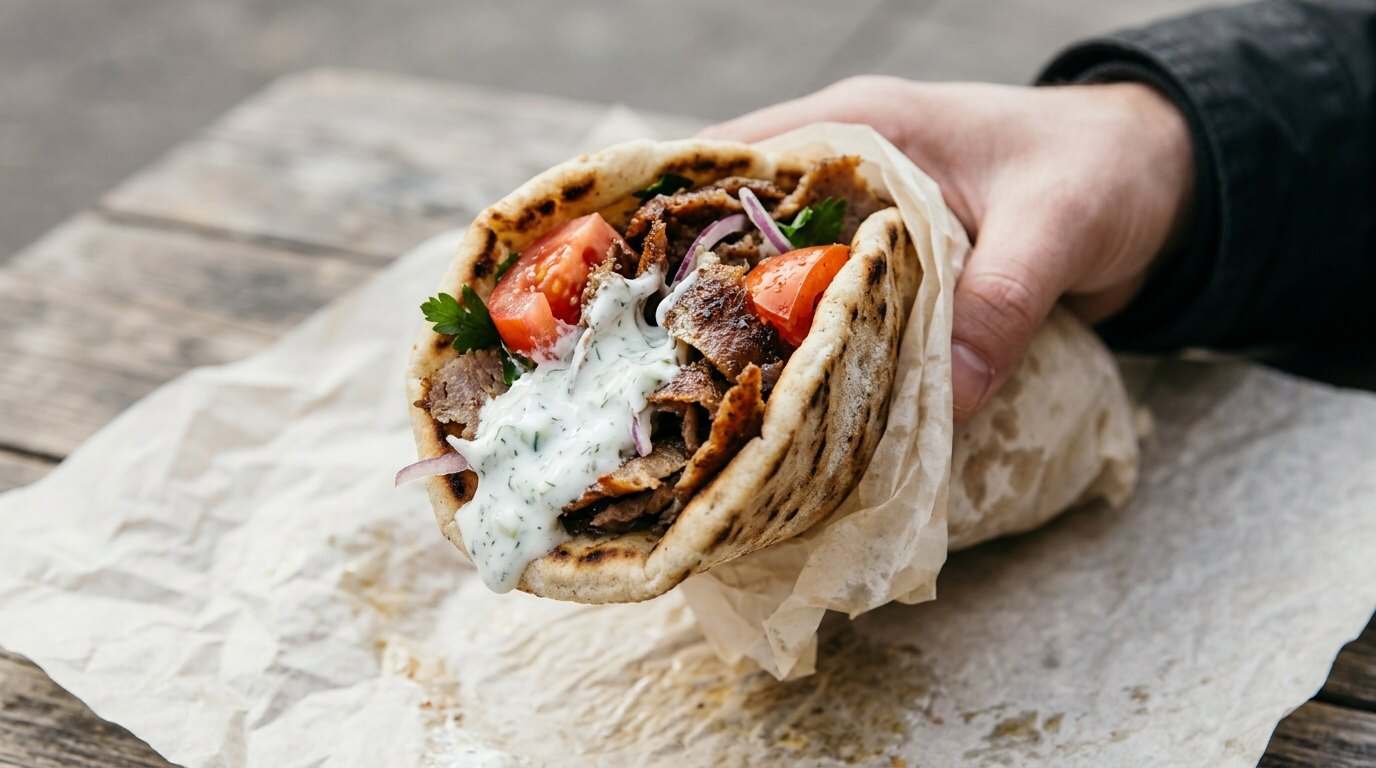
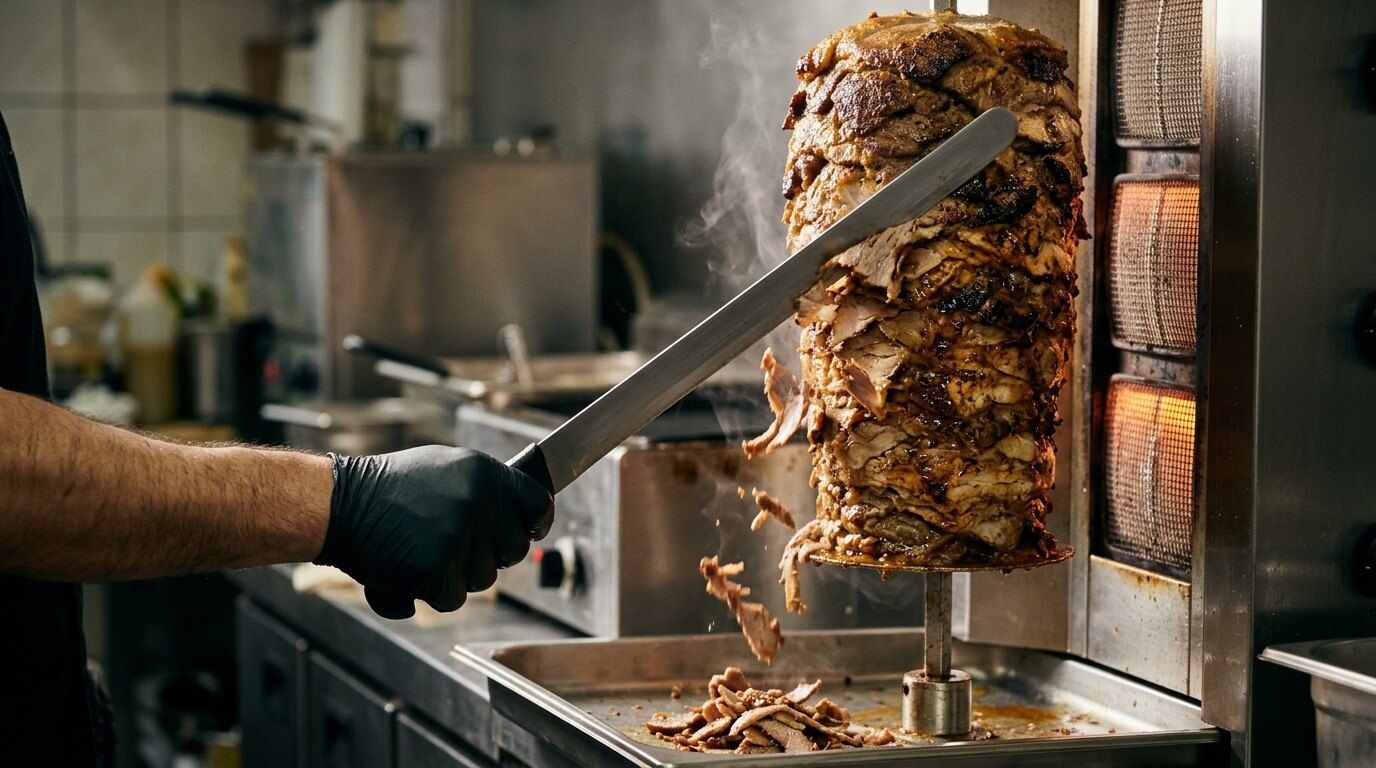
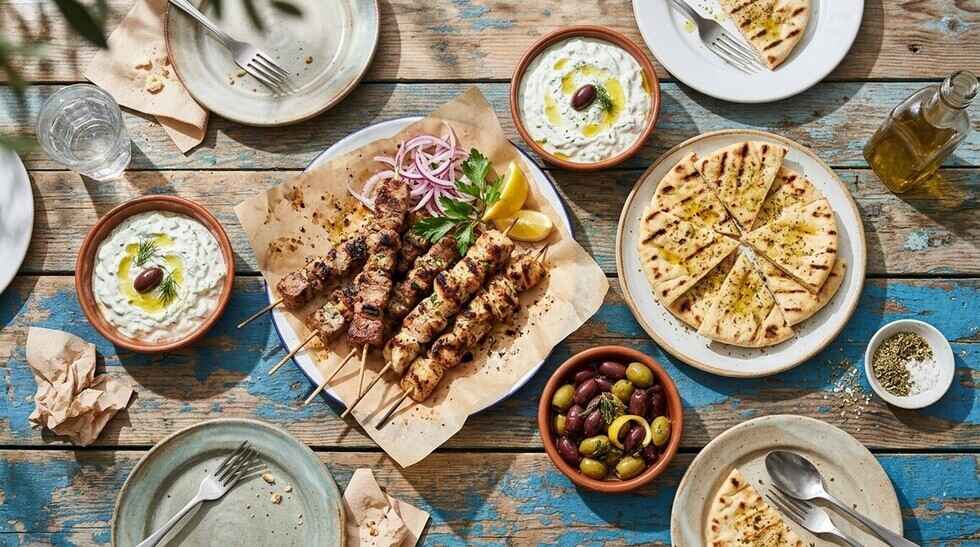
Souvlaki is small pieces of marinated meat grilled on a skewer. A gyro is meat stacked on a vertical rotisserie and shaved off in slices. Both are tucked into pita with tomato, onion and tzatziki, which is why the two are confused so often, and why people in Greece and abroad use the words loosely. The sources agree on the cooking method and disagree on the meat, the regional names and the age of each dish.
Video: What makes Gyros Greece’s Most Popular Street Food, from the DW Food YouTube channel
Skewer or spit
Two ways of cooking the same kind of meat
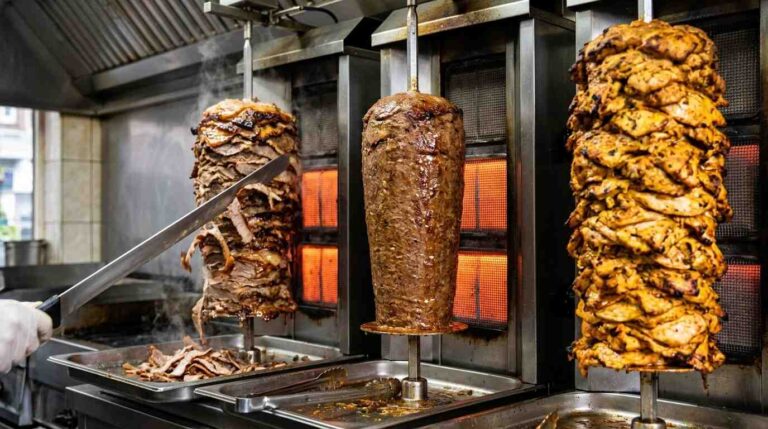
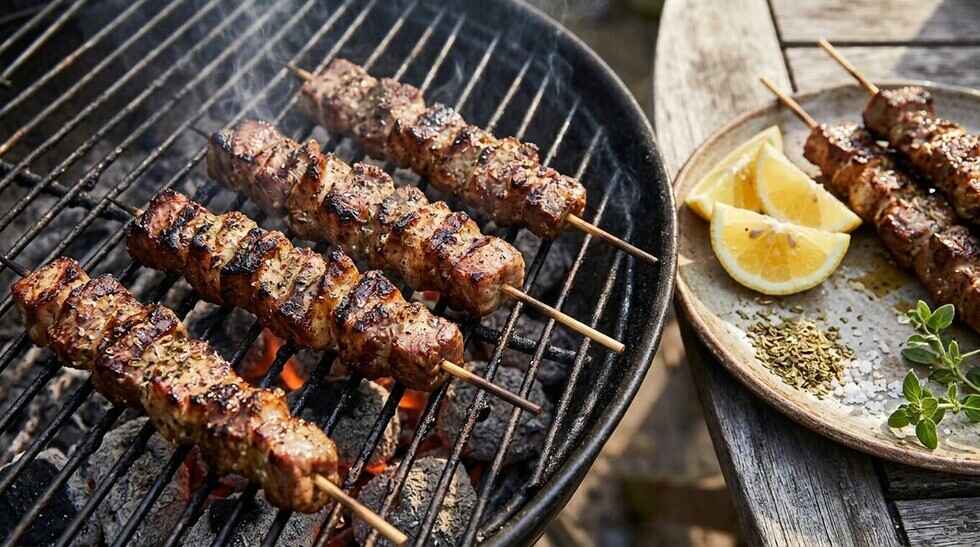
Tasting Table puts the contrast in one line: souvlaki is marinated meat grilled on skewers, and gyros is meat “stacked and slow-cooked on a vertical rotisserie,” then carved. Athens Glance adds a sensory detail, saying souvlaki cooks over charcoal and that the smoke “should be detectable from the street.” Gyro meat in the same article is layered around a vertical spit that rotates before a heat source, with the outer layers shaved off as they cook.
Culture Trip gives the etymology. Souvlaki comes from souvla, meaning spit, according to that article, while gyro means “turn.” Athens Glance gives the souvlaki root as the word for skewer, with the same meaning for gyro, and notes the Greek pronunciation of gyros is “YEE-ros.” The same pair appears in the site’s gyro post, which covers the American cone industry.
The form of the meat differs too. Will Fly for Food describes souvlaki as small pieces of grilled meat on a stick and gyros as slices shaved from a vertical rotisserie, and quotes a Greek reader saying gyros are cut from larger roasted pieces.
Which meats appear
Pork is common, but few sources agree on the rest
Pork is the traditional souvlaki meat in several sources. Athens Glance says souvlaki is traditionally pork, with chicken, lamb and beef also used, and that gyro is traditionally pork, with chicken equally common and lamb traditional in some regions. To Vima says pork is the traditional choice for souvlaki, though chicken, lamb and beef are also used.
Gyro meat is where the pages diverge. Tasting Table says gyros in Greece are often pork, also chicken, beef or lamb, seasoned with garlic, black pepper, cumin and oregano. Culture Trip lists beef, pork, chicken, veal, lamb or a mix. A Hellenistic Eukontos post on the dishes across countries says gyros is traditionally made with lamb, not pork, with chicken as the alternative in Greece and Australia, which contradicts Athens Glance.
The explanation may be partly historical. The SBS report says pork is now the most prominent souvlaki meat in Greece, possibly because the 1967 to 1974 military regime promoted pork. That is a hypothesis in the article, not a documented policy.
Old dish, newer dish
From Homer to a 1920s arrival
The two dishes have different ages in the sources. Tasting Table says souvlaki traces to ancient Greece and is mentioned in the Iliad, and that gyros arrived in Greece in the 1920s with refugees from the Ionian peninsula. Athens Glance gives a similar contrast, saying gyro was brought to Greece by refugees from Asia Minor in the 1920s while the souvlaki tradition is significantly older. Culture Trip says a similar dish was called kandaulos in ancient Greece, and Tasting Table notes that Aristotle called the skewer an obelos.
Gyro’s link to the Turkish doner is noted in several places. Will Fly for Food says gyros and shawarma are essentially the same vertical-stacked meat in different regions, both tracing to the Turkish doner kebab. The doner story is told in the site’s doner kebab post.
To Vima quotes Dorothea Lentis, who dates the doner kebab to the 1970s in West Berlin, and co-founder Giorgos Tsabas says souvlaki has been popular in the United States since the 1960s, especially on the East Coast. The article calls souvlaki and gyro the most common and beloved street food in Greece.
How to order in Greece
Wrap or plate, and which word to use
Athens Glance lays out how orders work. A wrap, called ap’ exo for “to go,” is the better value, and a plate, sti merida, is a fuller meal with two or three skewers or a larger pile of meat. The pita is usually grilled briefly, soft in Athens and thicker and chewier in northern Greece. Orders go “souvlaki me pita” or “gyro me pita,” with meat named as xoirino (pork) or kotopoulo (chicken) and add-ons such as me tzatziki or me patates.
Regional use shifts. The article says in Thessaloniki the gyro usually has less tzatziki and sometimes no tomato. Culture Trip notes that in everyday speech people often use “souvlaki” as a stand-in for gyro because the two look alike. Will Fly for Food adds that restaurants often list souvlaki as a “portion” or a “pita,” with portions costing more because they carry more meat, and that the names are used loosely and can mean slightly different things in some regions, such as Thessaloniki.
Prices have moved. To Vima reports a single souvlaki on Crete going from 2.50 euros “back in the day” to as much as 6.50 euros in parts of Heraklion, a change it ties to rising costs.
Names abroad
Cyprus, Australia and the word that changes meaning
The words change across borders. The Hellenistic Eukontos post says in Greece both dishes come in small pita wraps with mustard, salad and fries, while in Cyprus the pita pocket is two or three times larger and includes tomatoes, cucumbers, cabbage and often parsley and onion. In Australia, it says, the dish is a gyros but is usually called souvlaki.
The SBS report confirms the Australian usage. In Australia, “souvlaki” often refers to a gyros wrap, so the meat in many Australian souvlaki wraps is gyros-style. The food historian Barbara Santich, quoted there, says souvlaki may have “slipped in unnoticed with the first Greeks to come to Australia,” possibly as early as the 1890s, and that Greek food gained wide acceptance in the 1950s and 1960s.
Australian adaptation shows what a name can carry. According to the SBS report, lamb became the standard meat because it was cheap, where in Greece it had been eaten once or twice a year, and chicken was added in the 1980s. Lettuce is common in Australian wraps but almost absent in Greece, and chips arrived in Greek souvlaki around the 2000s, with Australian restaurants split on including them.
Common questions
What is the difference between souvlaki and a gyro?
Souvlaki is skewered meat cooked on a grill, while a gyro is meat roasted on a vertical spit and shaved, as the post’s sources describe.
Is souvlaki served in a pita?
Often. The post reports that both souvlaki and gyro are tucked into pita with tomato, onion and tzatziki, which is why the two are confused so often.
What is the difference between a portion and a pita on a Greek menu?
Will Fly for Food, cited in the post, says restaurants often list souvlaki as a portion or a pita, and portions cost more because they carry more meat.
Sources
- What makes Gyros Greece’s Most Popular Street Food (DW Food, YouTube) — https://www.youtube.com/watch?v=kSHwTjWQ0Sw
- Souvlaki Vs. Gyro: What’s The Difference? (Tasting Table) — https://www.tastingtable.com/1336363/souvlaki-gyro-difference/
- Souvlaki vs Gyro: What’s the Difference and Which Should You Order (Athens Glance) — https://athensglance.com/2026/04/21/souvlaki-vs-gyro-whats-the-difference-and-which-should-you-order/
- Greek Cuisine Explained: Souvlaki Vs. Gyro (Culture Trip) — https://theculturetrip.com/europe/greece/articles/greek-cuisine-explained-souvlaki-vs-gyro
- Souvlaki: The Pre-Eminent Grecian Street Food (To Vima) — https://www.tovima.com/stories/souvlaki-the-pre-eminent-grecian-street-food/
- How is souvlaki prepared differently in different countries? (Hellenistic Eukontos) — https://hellenisteukontos.opoudjis.net/2017-01-15-how-is-souvlaki-prepared-differently-in-different-countries/
- How Australia made the souvlaki its own (SBS Food) — https://www.sbs.com.au/food/article/how-australia-made-the-souvlaki-its-own/xknl1l6gx
- Greece: Souvlaki vs Gyro, So What’s the Difference? (Will Fly for Food) — https://willflyforfood.net/greece-souvlaki-vs-gyro-so-whats-the-difference
Keep reading
- Gyro: Etymology, Doner Lineage and the Chicago Cone Industry
- Döner Kebab: Origins, the Berlin Claim and the Disputed Inventor
- Sabich: The Iraqi Jewish Eggplant and Egg Sandwich of Israel and the Story Behind Its Name
More in this section: Sandwich Debates guide.