In this story
Queso fundido is cheese, melted and served in the dish it was melted in, usually a small cast-iron skillet, with warm tortillas to scoop it up. The name means “melted cheese.” It is thicker and stringier than the smooth dip Texans call queso, and a fork lifted out of it pulls a long rope of cheese with it. Chorizo, mushrooms or roasted chiles often go on top, and the toppings change with the region.
Video: Queso Fundido with Chorizo with Marcela Valladolid, from the Food Network YouTube channel
Cattle country in the north
The dish is usually placed in northern Mexico. Mexico News Daily, in a July 2024 piece by Stephen Randall, traces queso fundido to the northern states, particularly Chihuahua and Coahuila, where dairy farming and cheesemaking have a long history. Randall credits Spanish settlers with bringing cattle and cheesemaking to the region in the 16th century, and Mexican cooks with adapting those techniques to local ingredients.
Tasting Table connects the dish to Mexican ranching culture and suggests that link may be why it so often arrives in cast iron.
Not one dish everywhere
Texas Monthly taco editor José R. Ralat, writing in October 2021, lists regional versions: seasoned with oregano in Jalisco, and elsewhere topped with roasted poblano strips or other chiles, epazote or whole beans. One version gets set on fire. In queso flameado, alcohol, usually rum, is lit to melt the cheese quickly.
Older brother to chile con queso
Ralat calls queso fundido the Mexican ancestor of Tex-Mex chile con queso, and the print edition of his story ran under the headline “Queso’s Older Brother.” The difference is in the cheese and the work. Ralat describes queso fundido as made with real cheese and needing more time and attention than the Velveeta-and-Ro-Tel dip, which is usually garnished with little more than pico de gallo or taco meat.
The names cross over at the border. Ralat notes that in Chihuahua queso fundido is sometimes called chile con queso, citing the Larousse Diccionario Enciclopédico de la Gastronomía Mexicana by Ricardo Muñoz Zurita.
First sightings in Texas print
Ralat found no Texas print record of the dish until November 1978, when an Austin American-Statesman piece mistakenly described it as of “Italian origin.” A 1980 El Paso Times review called a Dallas version “sensational,” and a 1982 Statesman review praised one made with chiles, raisins and cashews.
The cheeses that stretch
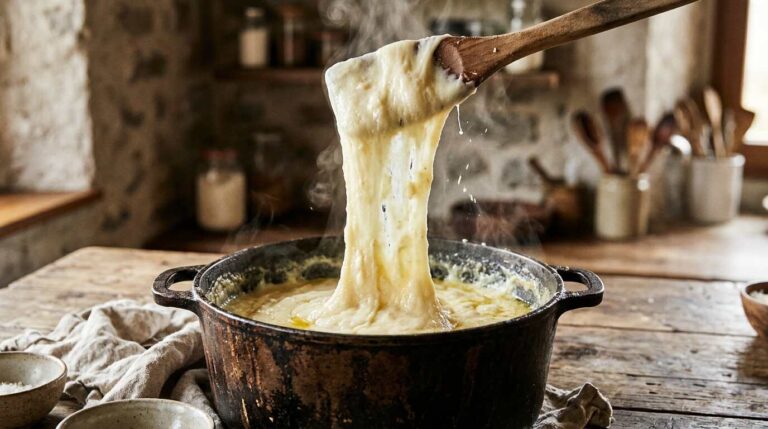
The cheese has to melt and pull at the same time. Ralat names queso asadero, queso Chihuahua, Oaxacan quesillo and Manchego as common choices. Tasting Table adds Mennonite cheese to the Mexican list, and queso fresco in Oaxaca, while noting that Monterey Jack or cheddar often stand in north of the border.
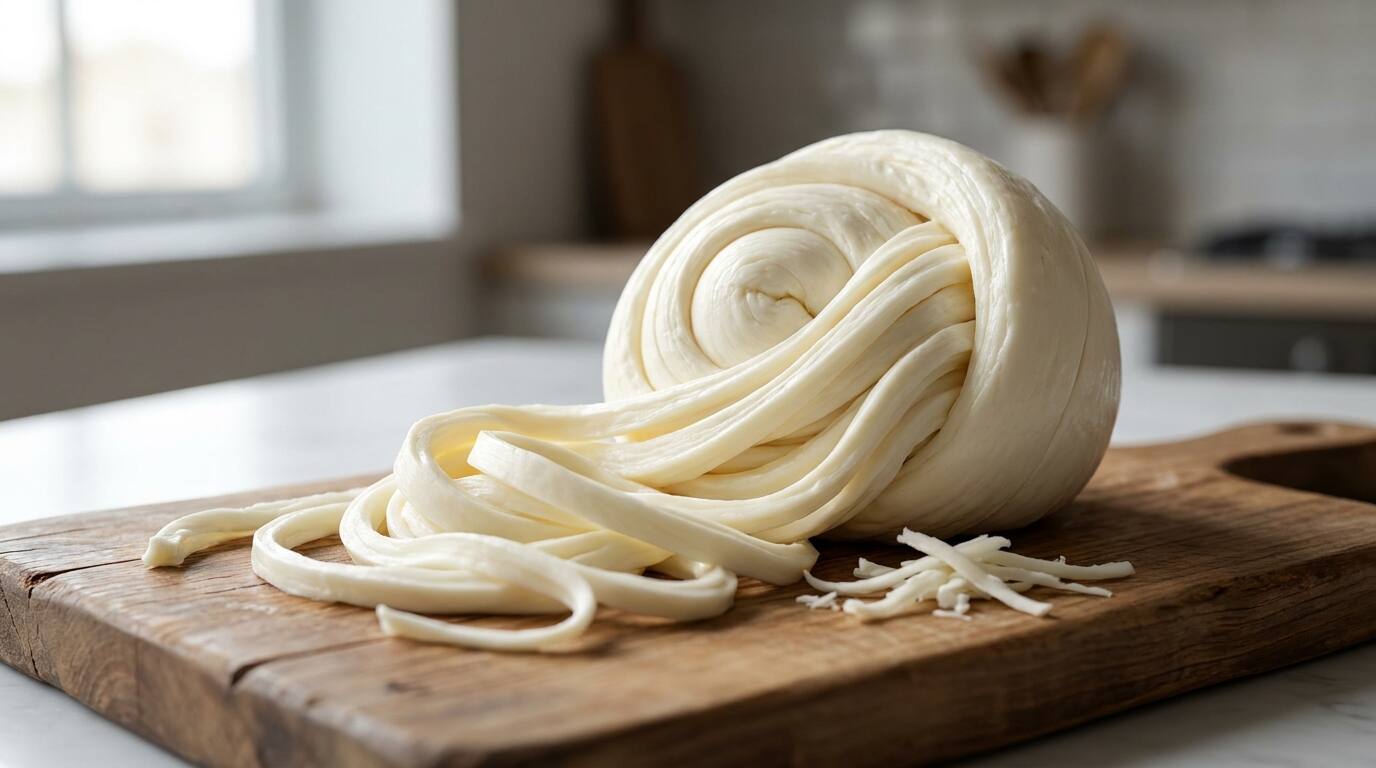
Oaxaca cheese, also called quesillo, comes up in nearly every recipe. Mexico News Daily calls a fresh ball of it the secret to an outstanding queso fundido. Randall’s recipe lists mozzarella as the substitute, and GrillCheesy’s post on why mozzarella stretches covers the chemistry behind that pull.
A milk-surplus treat in Oaxaca
Houston chef Hugo Ortega told Texas Monthly he grew up in Oaxaca, where his mother and grandmother made the quesillo and queso fresco for the dish themselves. Queso fundido was a rare treat at home, made when there was extra milk during the rainy season.
Chorizo, mushrooms or brisket
Toppings are where cooks put their stamp on it. Ralat writes that queso fundido often comes with mushrooms, chorizo or grilled peppers, and is traditionally eaten with tortillas rather than chips. Texas restaurants he profiled show the range:
- Iliana de la Vega at El Naranjo in Austin serves it with house-made Oaxacan-style chorizo or sautéed mushrooms, with huitlacoche as an optional upgrade
- Hugo Ortega’s queso flameado at Urbe in Houston starts with a queso Chihuahua base and adds brisket, chilaca chiles, onions and mushrooms, served with flour tortillas
- Andrew Savoie at Resident Taqueria in Dallas makes a mushroom version, and once topped one with truffles and Parmigiano-Reggiano
Savoie summed up its place on a menu for Texas Monthly: “As kids, we had mozzarella string cheese; now we have queso fundido.”
The chorizo version
Chorizo is the topping most American diners know. Mexico News Daily’s recipe browns half a pound of Mexican chorizo, drains it, layers it in a cast-iron skillet under caramelized onions and a mix of Oaxaca and Monterey Jack, then bakes it at 375°F until the cheese bubbles.
The recipe
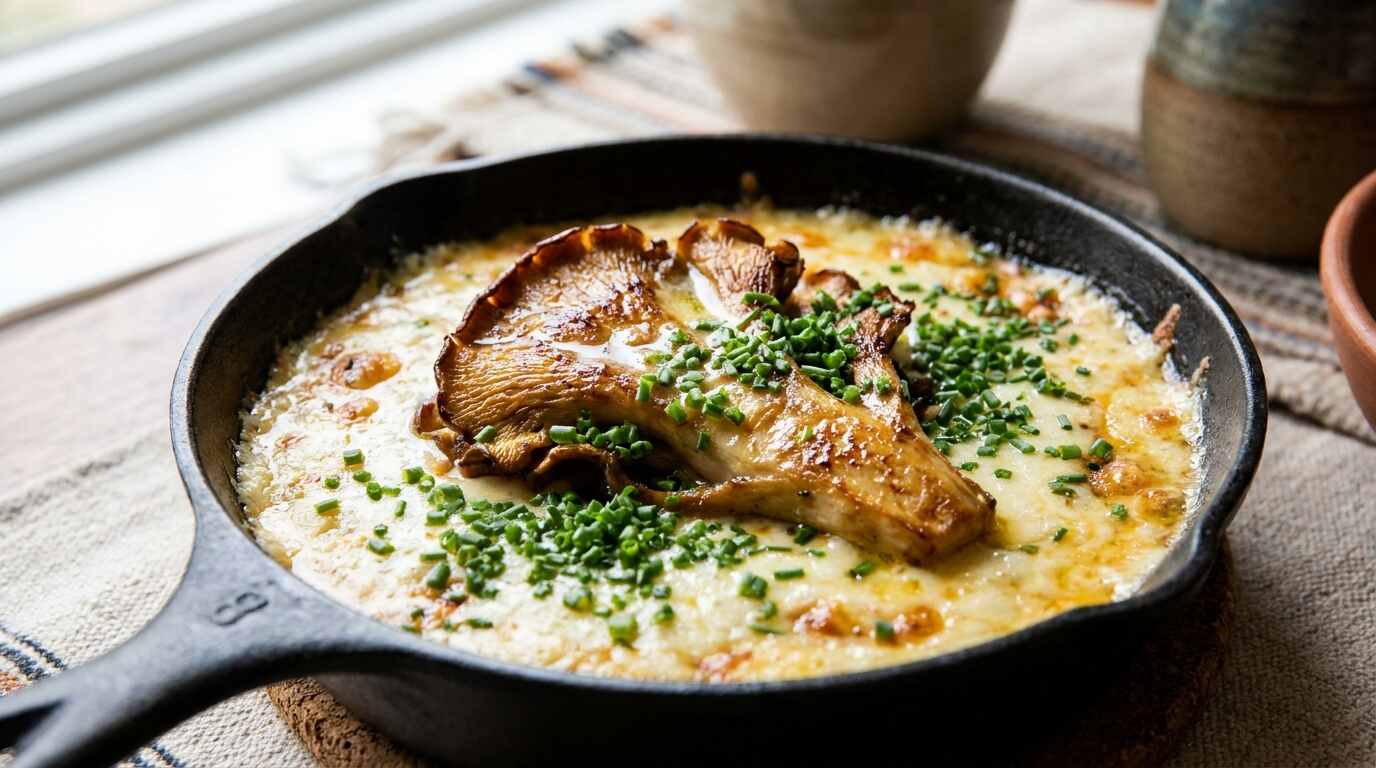
The card below follows Resident Taqueria’s Queso Fundido con Hongos, the mushroom version Andrew Savoie shared with Texas Monthly. It serves four and calls for two 8-inch ovenproof skillets, one of them cast iron. The amounts and order are the restaurant’s; the steps are summarized here.
Queso Fundido con Hongos
Ingredients
Method
- Heat the oven to 350°F. Have ready two 8-inch ovenproof skillets, one of them cast iron.
- Halve the mushroom. Heat the first skillet over medium heat, coat it with oil and set the mushroom in flat side down. Drizzle with 1 teaspoon oil, season with salt and move the skillet to the oven for 3 minutes.
- Meanwhile, heat the cast-iron skillet over medium until it just starts to smoke. Spread the cheese in it evenly and leave it undisturbed.
- Lower the heat to medium-low. When the edges of the cheese brown, take the skillet off the heat and put it in the oven until the cheese is fully melted.
- Flip the mushroom and add the butter and garlic around it. When the butter has melted and the garlic is fragrant, set the mushroom with the garlic butter in the center of the cheese.
- Season with salt and chives and serve right away, bubbling, with hot flour tortillas.
Notes
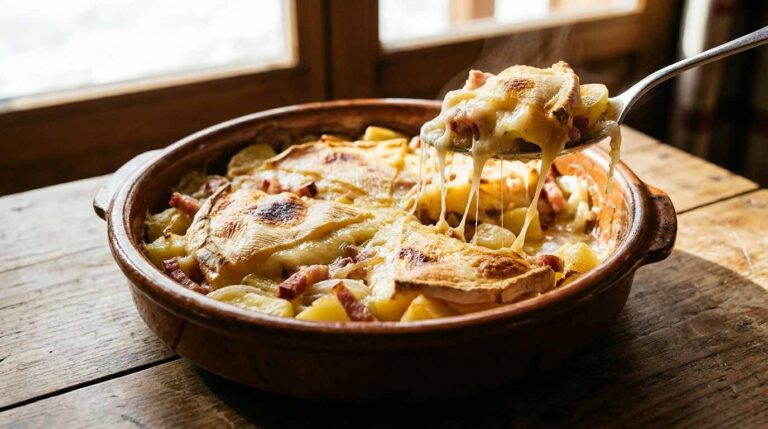
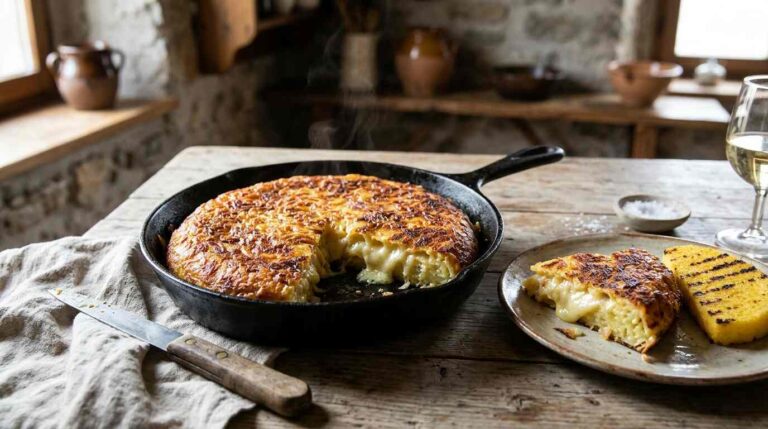
The cheese is cooked on the stove until the edges brown, then finished in the oven, which keeps it molten without stirring it into strings. Melted-cheese dishes from other kitchens follow the same idea in different pans: Swiss raclette, cheese fondue and Georgian khachapuri.

For the skillet
The recipes above call for small cast-iron skillets and a stretchy Mexican melting cheese.
- Lodge Pre-Seasoned Cast Iron Skillet, PFAS-Free, 8 Inches: an 8-inch cast iron skillet, the size and material the Texas Monthly recipe calls for. See it on Amazon (affiliate link)
- Queso Oaxaca- Quesillo Real De Oaxaca 2 lb: a two-pound ball of Oaxaca string cheese, the quesillo named in most queso fundido recipes. See it on Amazon (affiliate link)
- 365 by Whole Foods Market 365 Chorizo Pork Sausage, 16 OZ: a one-pound pack of pork chorizo for the chorizo version. See it on Amazon (affiliate link)
As an Amazon Associate I earn from qualifying purchases. A commission may be earned if you buy through this link, at no extra cost to you.
Frequently asked questions
What does queso fundido mean?
Melted, or molten, cheese in Spanish.
What is the difference between queso fundido and queso dip?
Texas Monthly describes queso fundido as made with real melting cheese and served thick and stringy with tortillas. Tex-Mex chile con queso is the smoother dip, often made with Velveeta.
What cheese is used in queso fundido?
Queso asadero, queso Chihuahua, Oaxaca cheese (quesillo) and Manchego are common, according to Texas Monthly.
Where does queso fundido come from?
Northern Mexico, particularly Chihuahua and Coahuila, according to Mexico News Daily.
Sources
- José R. Ralat, “All About Queso Fundido,” Texas Monthly (October 13, 2021): https://www.texasmonthly.com/recipe/all-about-queso-fundido/
- Stephen Randall, “Molten cheese, please: Why Mexican ‘fondue’ is far superior,” Mexico News Daily (July 4, 2024): https://mexiconewsdaily.com/lifestyle/food/molten-cheese-please-mexican-queso-fundido-recipe/
- Tasting Table, “Here’s What Sets Queso Fundido Apart From Other Varieties”: https://tastingtable.com/stories/heres-what-sets-queso-fundido-apart-from-other-varieties