In this story
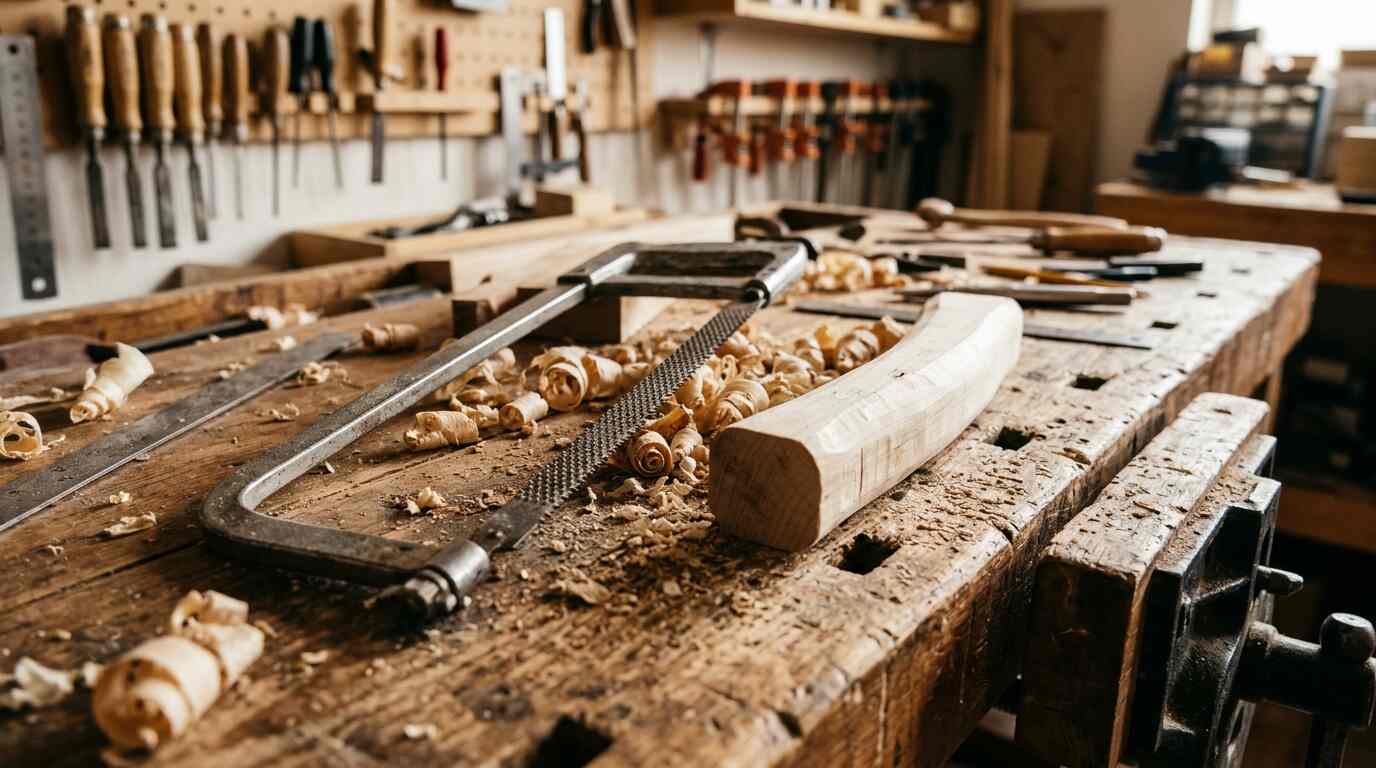
The Microplane rasp was built to shape wood. A long, thin steel blade covered in tiny etched teeth, it was meant to fit a hacksaw frame in a woodworker’s shop. Within a few years of its release it was in kitchen drawers, zesting lemons and turning Parmesan into drifts, and the Arkansas company that made it had become a kitchenware business more or less by accident.
Video: Microplane Classic Zester Grater, from the Microplane USA YouTube channel
An etching shop in Arkansas
The company started with printer parts. Woodworker’s Journal, in a 2008 article by Michael Dresdner, says Grace Manufacturing, a chemical etching company, was founded in 1965 by Richard Grace and his father, with Richard’s younger brother Jeff joining later, and that it first made print bands for dot-matrix printers. The Woodworking Network, in an undated piece by Dakota Smith, dates the photo-etched printer parts business to 1976.
The move south came later. PMQ Pizza Magazine, in a 2011 article quoting The New York Times, says Grace moved his company from Michigan to the Arkansas River Valley, about 75 miles northwest of Little Rock, in 1977.
Sharp edges, sliced fingers
The rasp came from a hazard. Woodworker’s Journal says the company’s etched edges were so precise and sharp that people often cut themselves handling the parts, and that Richard, a hobby woodworker, wondered what a tool made from those edges would do. His first test, on office desks, showed it slicing cleanly rather than tearing, in any direction of the grain.
The date of that tool depends on the source. Talk Business & Politics, in 2003, says Richard and Jeff Grace came up with the rasp idea in 1990 and at first sold only a few hundred a year. Gear Patrol, in a 2023 article by Will Price, places the brainstorm in 1991.
The Armenian orange cake
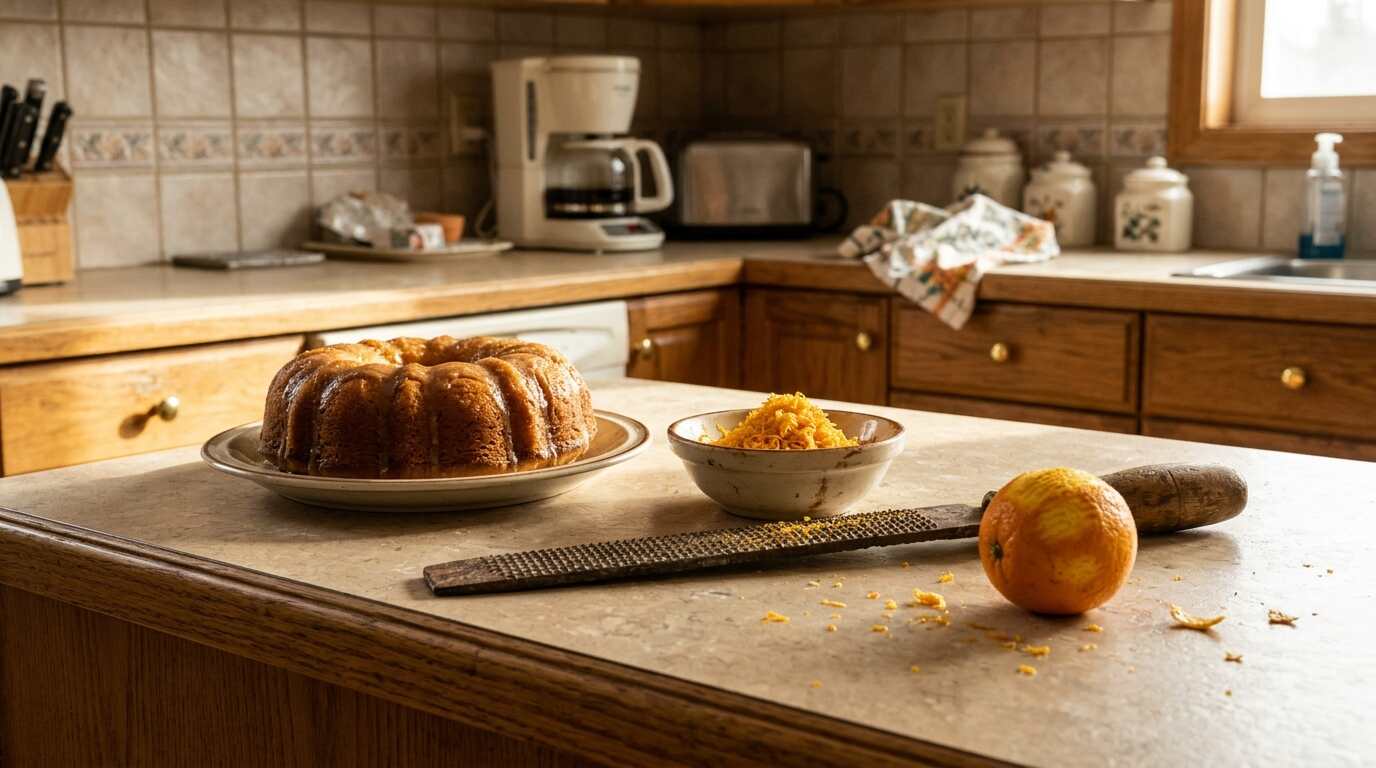
The kitchen story is set in Canada in 1994. Gear Patrol says Lorraine Lee, a baker unhappy with her old grater, slid her husband’s Microplane across an orange for an Armenian orange cake. Her husband, Leonard Lee, ran Lee Valley Tools, a mail-order catalog for woodworkers, and the catalog began selling the rasp as a kitchen tool.
Where Lee Valley was based varies by account. Gear Patrol places it in Ottawa. The Woodworking Network says Toronto.
The New York Times, 1998
Press did the rest. Gear Patrol says Amanda Hesser’s New York Times Test Kitchen column on the tool ran four years after the catalog listing, and that within a month, kitchen customers outnumbered woodworking customers ten to one. Its summary of what happened next: “Before the Microplane brass could blink, they had become a kitchenware company.”
Talk Business puts numbers on the shift. It says Microplane tools brought Grace about $200,000 in 1998, that the 1998 Times article boosted sales and Martha Stewart bought them in bulk as gifts, and that by 2003 the company projected close to $4 million, with about 95 percent sold as kitchen products. The Woodworking Network says the woodworking rasp had sold $300,000 to $400,000 a year, and that by 2002 the kitchen version sold about that much in a month.
The founder did not plan any of it. PMQ quotes Richard Grace, an engineer by training, from the Times: “I didn’t set out to make cheese graters.”
Cheese, zest and the factory
PMQ, again via the Times, says home cooks were buying the rasp to zest citrus and grate firm cheeses, and that Grace Manufacturing employed more than 300 people at its Arkansas plant, with an assembly plant in Querétaro, Mexico. Gear Patrol says the blades are still made in Arkansas.
On Grill Cheesy, Parmigiano Reggiano covers the hard cheese the tool is most often used on, and cheese slicer vs. knife vs. grater compares the ways to cut cheese for a sandwich.

Graters
- Microplane Classic Zester Grater, Black: the long, narrow rasp-style zester shown in the video above. See it on Amazon (affiliate link)
- Microplane Professional Series Kitchen Grater new Coarse for Cheese, Carrot, Ginger, Coconut, Nuts and Horseradish with Stainless Steel Blades – Made in USA: a wider coarse blade listed for cheese. See it on Amazon (affiliate link)
- Microplane Gourmet Series Chocolate Grater (Ribbon, Black): a ribbon-cut blade for chocolate and similar curls. See it on Amazon (affiliate link)
As an Amazon Associate I earn from qualifying purchases. A commission may be earned if you buy through this link, at no extra cost to you.
Questions people ask
Who invented the Microplane? Richard Grace and his brother Jeff at Grace Manufacturing in Arkansas.
Was the Microplane originally a woodworking tool? Yes, a rasp designed to fit a hacksaw frame.
Who first used a Microplane for cooking? Lorraine Lee, zesting an orange for an Armenian orange cake in 1994, per Gear Patrol.
Where are Microplanes made? Gear Patrol says the blades are made in Arkansas; PMQ cites an assembly plant in Querétaro, Mexico.
Why is a Microplane so sharp? Its teeth are chemically etched, and Woodworker’s Journal says the etched edges were sharp enough to cut workers.
Sources
- Woodworker’s Journal, Michael Dresdner, “Microplane: A Sharper Way to Shape Wood” (January 29, 2008): https://www.woodworkersjournal.com/microplane-sharper-way-shape-wood/
- Woodworking Network, Dakota Smith, “How this woodworking tool became a kitchen tool” (undated): https://www.woodworkingnetwork.com/news/woodworking-industry-news/how-woodworking-tool-became-kitchen-tool
- PMQ Pizza Magazine, “How the Microplane grater escaped the garage” (January 14, 2011): https://www.pmq.com/how-the-microplane-grater-escaped-the-garage/
- Talk Business & Politics, “Grace Manufacturing Has Grate Idea” (November 10, 2003): https://talkbusiness.net/2003/11/grace-manufacturing-has-grate-idea/
- Gear Patrol, Will Price, “One of the World’s Most Popular Kitchen Tools Was a Happy Accident” (November 25, 2023): https://gearpatrol.com/2019/12/01/how-microplane-was-invented/