In this story
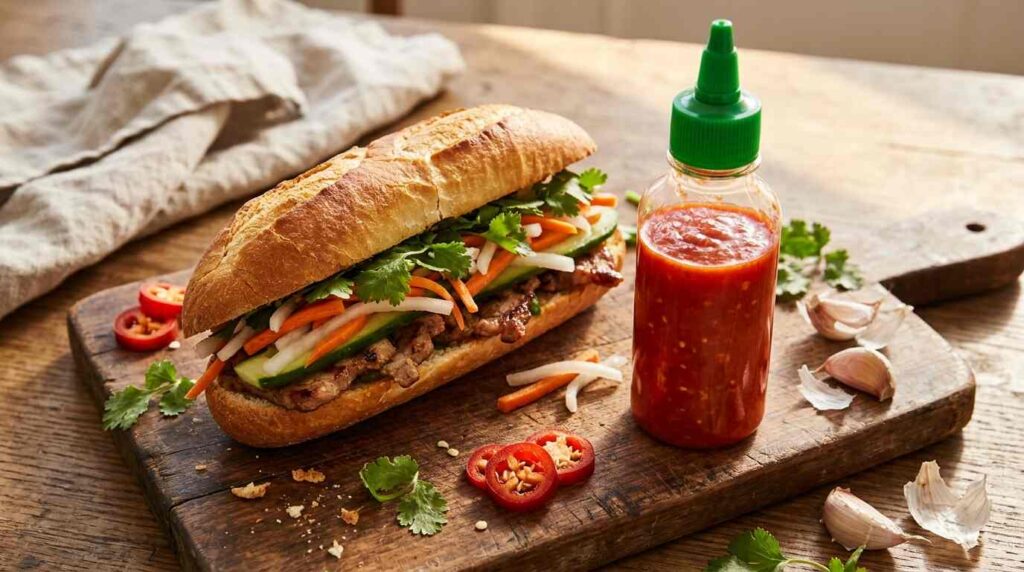
The bottle is clear plastic with a green cap and a rooster on the label, and for decades the company that fills it never paid for an ad. Huy Fong Foods’ sriracha grew from a Los Angeles Chinatown start-up into a nationally sold brand, then spent years short of peppers after a split with the farm that had grown them. Who is to blame for that shortage depends on which side is talking.
Video: How Did The Sriracha Shortage Happen?, from the CNBC YouTube channel
A freighter called Huey Fong
The company is named for a boat. KQED, in a 2020 profile by Avishay Artsy updated in 2024, says David Tran, born in 1945, was ethnically Chinese and a major in the South Vietnamese army, which made him a target after the war. He fled on a Taiwanese freighter named the Huey Fong, arrived in Boston, moved to Los Angeles in 1979 and set up in Chinatown.
Tran had made hot sauce before. KQED says his brother gave him a chili field in Vietnam and that in 1975 he began selling a sauce called Pepper Sa-te in glass baby food jars. Fortune, in a January 2024 investigation by Indrani Sen, says he began selling sriracha in Los Angeles in 1980, bottling in a rented industrial space near Chinatown.
Peppers, garlic, vinegar
The recipe is short. KQED describes the paste as ground chilis, garlic, salt and vinegar, made with red jalapeños left on the vine to mature, which makes them hotter and sweeter. The style is borrowed from a Thai chili sauce named for the coastal town of Si Racha.
That borrowed name has a legal cost. Fortune says that because the sauce is named for a Thai town, “sriracha” could not be trademarked in the United States. The KQED profile quotes Donna Lam, Huy Fong’s executive operations officer, describing Tran’s aim as “a rich man’s sauce at a poor man’s price.”

Irwindale and the smell
The factory moved east of Los Angeles to Irwindale, and the neighbors noticed. KQED says that in 2013 the city sued after residents complained of headaches and itchy eyes from the plant’s odors; the company countersued, Tran considered moving to Texas, new filters went in, and the suit was eventually dropped.
Underwood Ranches, 1988 to 2016
The peppers came from one farm for 28 years. Fortune says that in 1988, after Ventura County grower Craig Underwood wrote to offer his services, Tran contracted him for 50 acres. Underwood became Huy Fong’s exclusive chili supplier, and Tran became Underwood Ranches’ only pepper buyer.
The partnership ended in November 2016. Fortune describes the break as a dispute over prepayment for the 2017 crop and whether Tran could buy cheaper peppers overseas. In 2017, Huy Fong sued to recover a $1.4 million overpayment, and Underwood countersued for fraud and breach of contract. A jury awarded Underwood $13.3 million in compensatory damages and $10 million in punitive damages, a combined $23.3 million, and ordered the farm to repay the $1.4 million. KQED adds that after the split, Huy Fong sourced jalapeños from California, New Mexico and Mexico and removed “made in California” from the label.

Three explanations for the shortage
The shortage itself is not in dispute. Its cause is.
In 2022, the company pointed to the weather. NPR reported that a late-April email from Huy Fong told customers it would stop making the sauce for several months because of “severe weather conditions affecting the quality of chili peppers,” and that its chilies came from northern Mexico, then in its second year of drought.
By 2024, Fortune heard a different reason from inside the company: Tran and Lam attributed supply problems to quality control, including spoiled, improperly refrigerated or prematurely picked peppers. Fortune’s own reporting traces the instability back to the 2016 split with Underwood, and says that in the first half of 2023 the company had no chilies at all.
Competitors moved in. Fortune says Tabasco, which launched its own sriracha in 2014, had the best-selling sriracha in the U.S. in the second half of 2023, according to NielsenIQ, and that Underwood started his own brand, Dragon Sriracha.

On a sandwich
Sriracha sits alongside other condiments Grill Cheesy has covered, including hot honey and Kewpie mayonnaise.
- Huy Fong Sriracha Hot Chili Sauce, 17 oz Bottles, 2 pk: the rooster bottle. See it on Amazon (affiliate link)
- Huy Fong Sauce Chili Garlic,18 oz: Huy Fong’s chunkier chili garlic sauce. See it on Amazon (affiliate link)
- Huy Fong Paste Chili Sambal Oelek: the company’s plain ground chili paste. See it on Amazon (affiliate link)
- TABASCO® Brand Sriracha Sauce, 64 oz (Pack of 1): the Tabasco sriracha that Fortune says led sales in late 2023. See it on Amazon (affiliate link)
As an Amazon Associate I earn from qualifying purchases. A commission may be earned if you buy through this link, at no extra cost to you.
Questions people ask
Who makes the rooster sriracha? Huy Fong Foods of Irwindale, California, founded by David Tran.
Why is it called Huy Fong? It is named for the Huey Fong, the freighter Tran fled Vietnam on, per KQED.
Why was there a sriracha shortage? Huy Fong cited weather in 2022; in 2024 it cited pepper quality; Fortune traces it to the 2016 split with Underwood Ranches.
Who won the Huy Fong vs. Underwood lawsuit? A jury awarded Underwood Ranches $23.3 million.
Is sriracha trademarked? No; Fortune says the name could not be trademarked in the U.S.
Sources
- KQED, Avishay Artsy, “Golden State Plate: Sriracha’s Journey From Southeast Asia to Southern California” (January 18, 2020; updated March 29, 2024): https://kqed.org/news/11796231/golden-state-plate-srirachas-journey-from-southeast-asia-to-southern-california
- Fortune, Indrani Sen, “What really caused the sriracha shortage?” (January 30, 2024): https://fortune.com/2024/01/30/sriracha-shortage-huy-fong-foods-tabasco-underwood-ranches/amp/
- NPR, sriracha shortage report (June 2022): https://www.npr.org/2022/06/17/1105477224/sriracha-shortage-chilli-climate-change