In this story
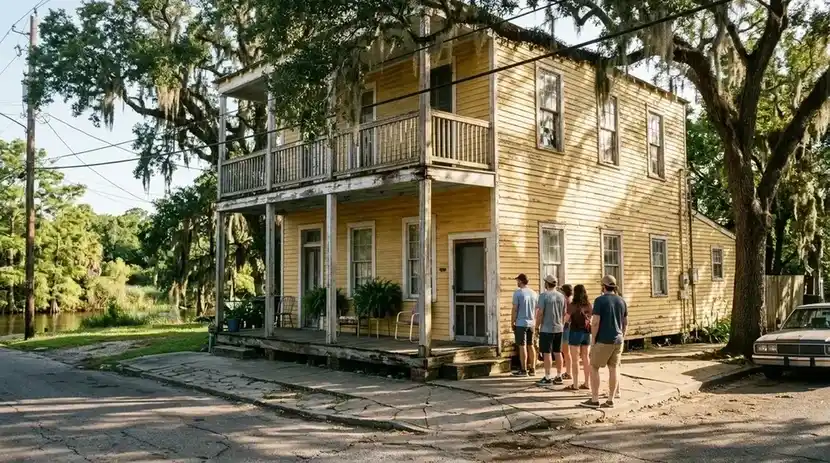
Parkway Bakery & Tavern sits on a corner near Bayou St. John in Mid-City New Orleans, a sunny yellow building with a menu built around one sandwich, the po-boy. It has been there since 1911, though not continuously. It began as a bakery, stopped baking, closed, sat empty, came back under a contractor who bought it almost by accident, then flooded and came back again. Each return is part of why the city treats it as an institution rather than a lunch spot.
Video: Parkway Bakery, New Orleans Po-Boy Stories, from the Blue Plate Mayonnaise YouTube channel
A German baker’s corner
1911 at Hagan and Toulouse
The shop’s own history, printed on a Parkway menu now held in Tulane University’s digital library, starts with Charles Goering Sr., a German baker who built Parkway on a vacant lot at the corner of Hagan Avenue and Toulouse Street in 1911. Henry Timothy Sr. bought it in 1922. The Parkway website describes those early years as the era when every New Orleans neighborhood had a bakery on the corner, and credits Timothy Sr. with building its name for fresh bread, doughnuts and a sweet roll called the Seven Sisters.
The po-boy arrives
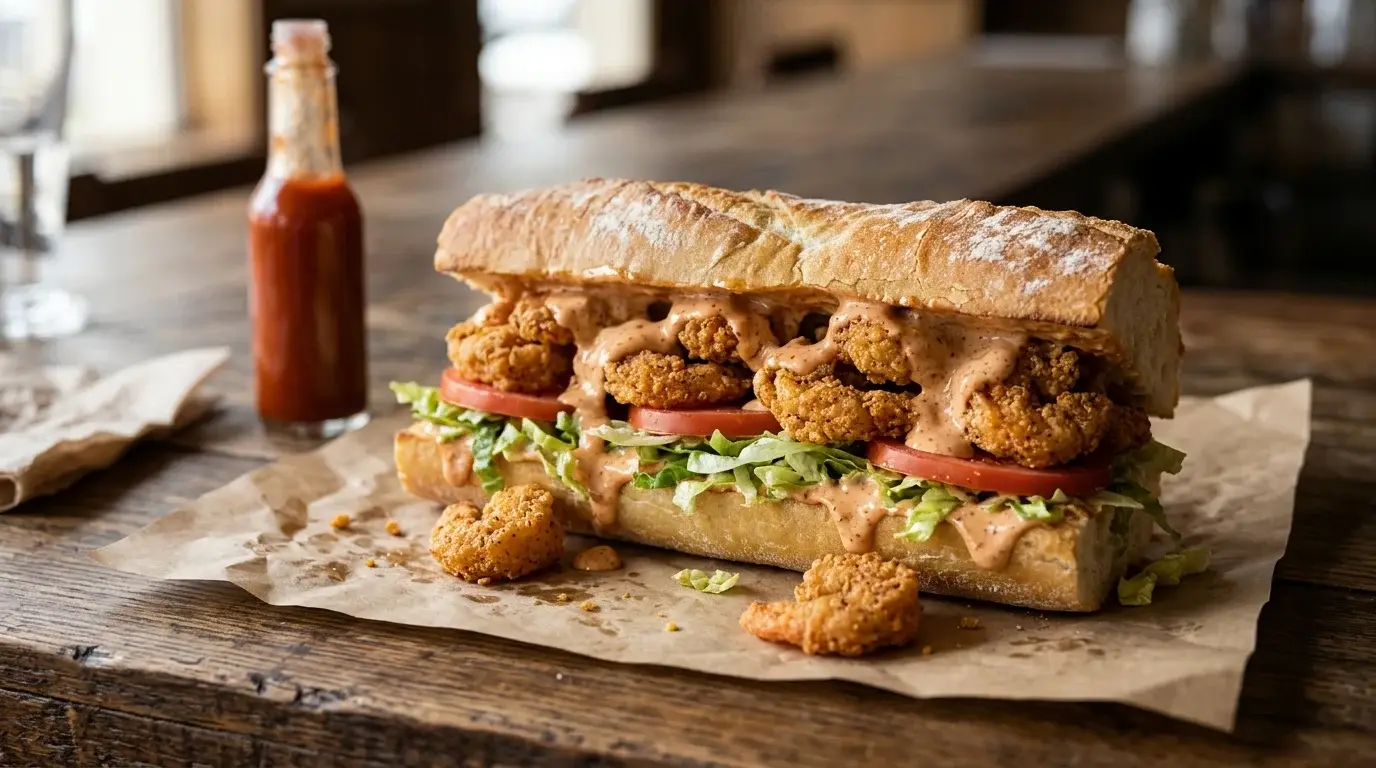
The sandwich came later. Biz New Orleans, in an October 2021 profile by Keith Twitchell, wrote that Parkway has sold po-boys since 1929, adding them soon after the sandwich was invented in Depression-era New Orleans. Parkway’s menu history credits that invention to Bennie and Clovis Martin, whose coffee stand fed striking streetcar conductors in 1929, a story told in more detail in GrillCheesy’s history of the po-boy.
The can factory years
Open around the clock
For decades Parkway’s customers came from across the bayou. The menu history notes that the American Can Company, directly across Bayou St. John, employed 1,500 workers and ran 24 hours a day, seven days a week, and that Parkway stayed open around the clock to feed them. Henry and Jake Timothy, the founder’s sons, inherited the business in the early 1960s.
Losing the ovens, then the doors
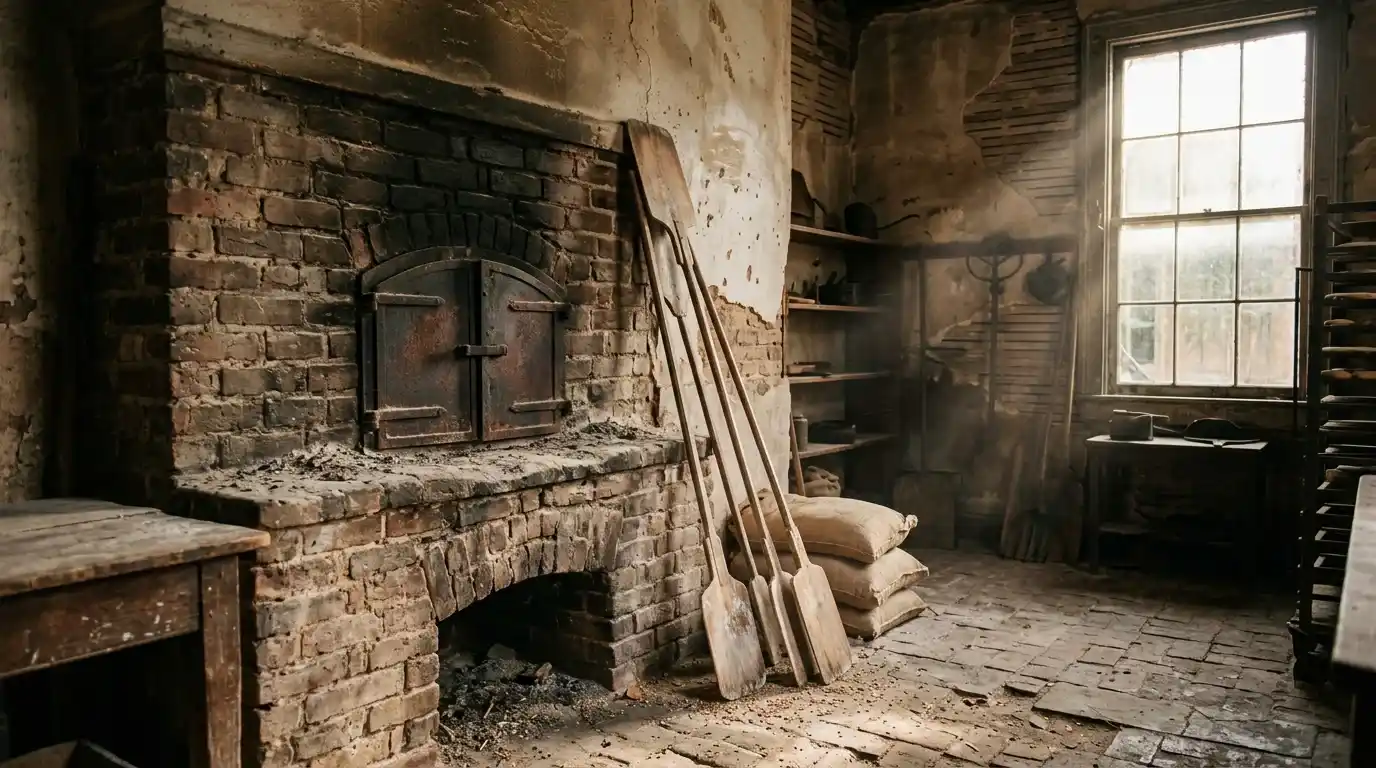
The bakery side ended first. According to the menu history, a flood in 1978 destroyed Parkway’s brick ovens and baking stopped. When American Can closed in 1988, Parkway cut back its hours, and the Timothy brothers closed it in 1993. Accounts of the closing date differ: New Orleans Magazine, in its reader’s-poll profile, gave it as 1995.
A contractor next door
Bought, not planned
The man who revived Parkway did not set out to run a restaurant. Jay Nix told Biz New Orleans that he knew nothing about Parkway until he moved next door. The menu history says he bought the building in 1995 and salvaged its old bricks for the renovation. Nix’s own summary of the switch, given to Biz New Orleans: “I went from cutting two-by-fours to cutting French Bread in six months.”
When it reopened
The reopening date also depends on the source. Parkway’s menu history says Nix reopened in December 2003. Biz New Orleans gave the year as 2005. Either way, Parkway was back before the storm that nearly ended it again.
Katrina
Six feet of water
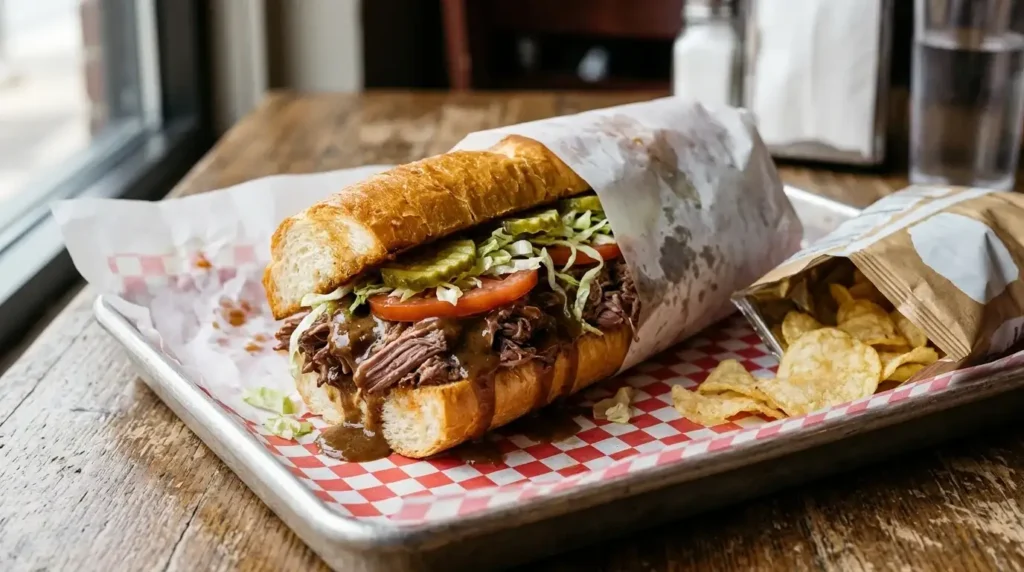
In August 2005, Hurricane Katrina put six feet of floodwater into the building, according to the menu history, which records a reopening that December. Biz New Orleans told the same story from the family’s side: with help from relatives, Nix reopened within two months, at first serving only roast beef po-boys and Zapp’s potato chips.
Family behind the counter
The Nix family still runs it. Biz New Orleans reported that Nix’s nephew, Justin Kennedy, helped with the reopening and took over daily operations, and that the COVID-19 pandemic closed the doors for two months, after which the shop cut its hours and days. The Parkway website calls the business family-owned since 1911 and describes Nix as continuing that tradition since he bought it from the original family.
Visitors and votes
A President in line
Parkway’s reputation reaches past the neighborhood. Biz New Orleans noted that President Barack Obama and First Lady Michelle Obama visited the shop. New Orleans Magazine’s readers voted it their favorite poor boy, a result Nix greeted, the magazine wrote, with a gleeful yelp.
Where it fits
Among the counters GrillCheesy has profiled, Parkway belongs with the shops whose sandwiches define a city: Katz’s for New York pastrami, Primanti Bros. for Pittsburgh, and Pat’s and Geno’s for Philadelphia. In New Orleans, its neighbor in sandwich fame is the round muffuletta, and the classic po-boy dressing owes a lot to rémoulade.
The chips that came back with the first post-Katrina roast beef po-boys are easy to find:
- Zapp’s Potato Chips, VooDoo New Orleans Kettle Style, 1.5oz (12-Pack): Louisiana kettle chips, the side served with Parkway’s first roast beef po-boys after the storm. See it on Amazon (affiliate link)
Video: Zapp's Voodoo Potato Chips Review, from the SweatPantsJoeEATS YouTube channel
As an Amazon Associate I earn from qualifying purchases. A commission may be earned if you buy through this link, at no extra cost to you.
Sources
- Tulane University Digital Library, Parkway Bakery & Tavern restaurant menu (history text): https://digitallibrary.tulane.edu/islandora/object/tulane%3A17449/datastream/OBJ/download/Parkway%20Bakery%20%26%20Tavern%20restaurant%20menu
- Parkway Bakery and Tavern, About us: https://www.parkwaypoorboys.com/
- Biz New Orleans, The Power of Parkway (2021): https://bizneworleans.com/the-power-of-parkway/
- New Orleans Magazine, Ultimate New Orleans: Favorite Poor Boy: https://www.myneworleans.com/ultimate-new-orleans-favorite-poor-boy/