In this story
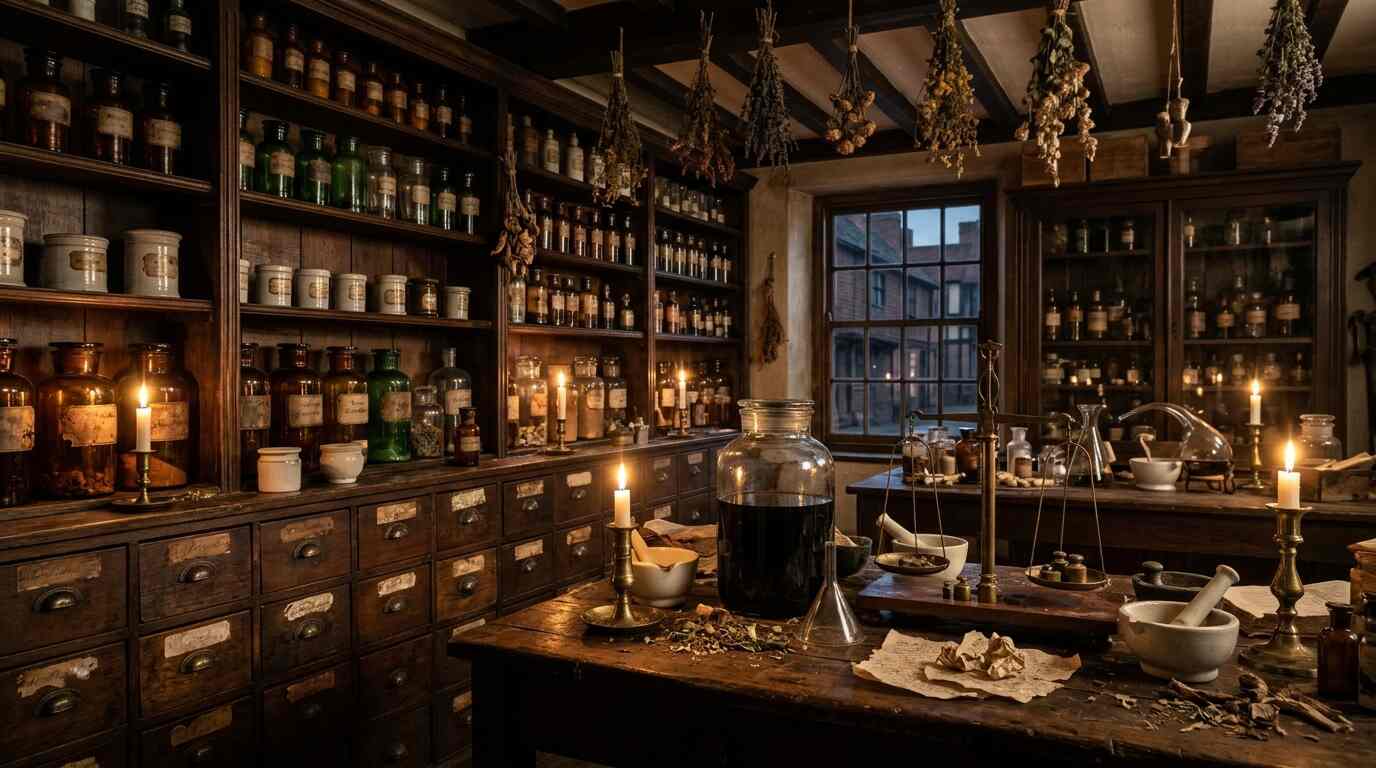
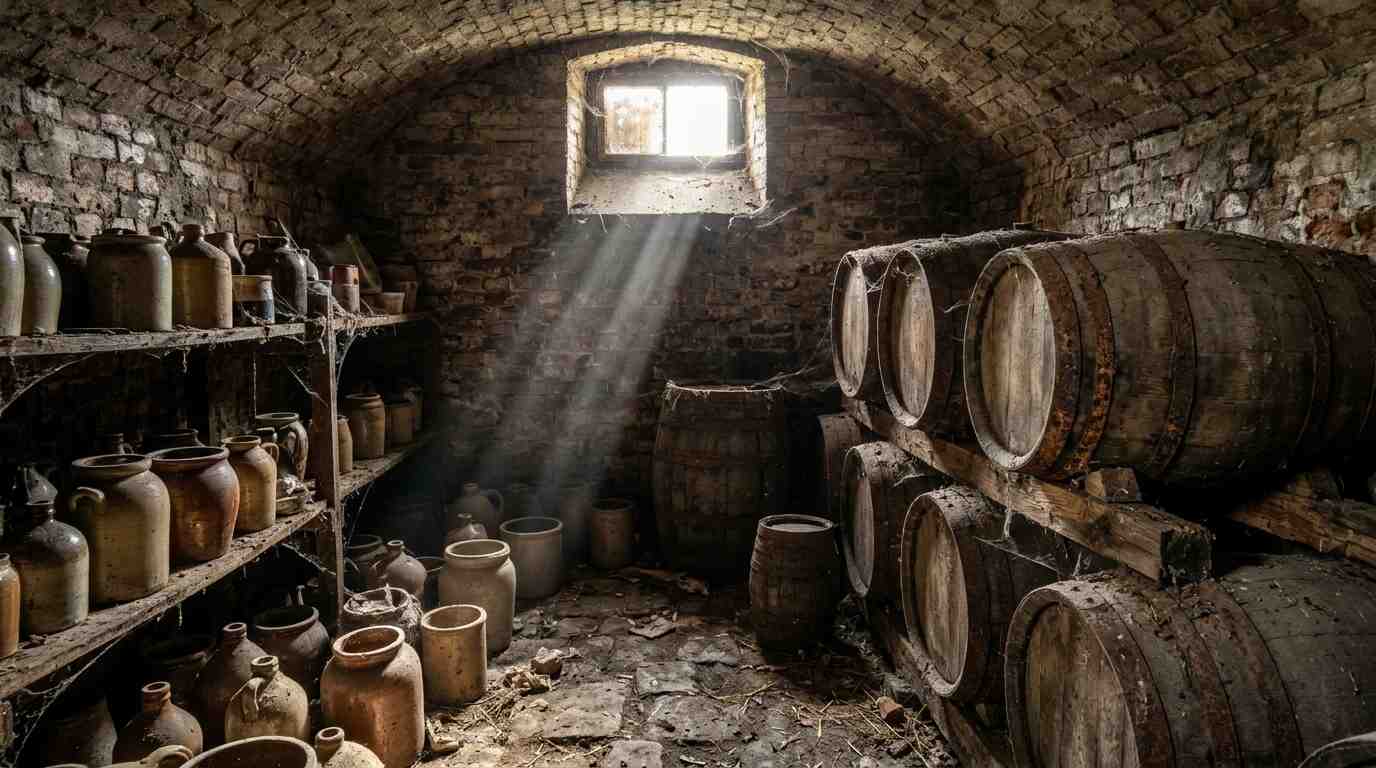
Worcestershire sauce comes from Worcester, England, from the shop of two pharmacists, John Wheeley Lea and William Henry Perrins. Its ingredient list reads like a spice cabinet emptied into a vinegar barrel: anchovies, tamarind, molasses, onions, garlic. The story most often told about how it was invented involves an aristocrat back from India, a failed batch left in a cellar, and a sauce that improved with age. That story is also the part historians doubt.
Video: How Lea & Perrins Makes Worcestershire Sauce Using A 185-Year-Old Recipe | Regional Eats, from the Insider Food YouTube channel
Two chemists on Broad Street
The partners were in business more than a decade before the sauce. Grace’s Guide to British Industrial History says Lea and Perrins began working together in 1822 and opened their first shop the following year. CooksInfo, in a sourced entry first published in 2002, says the two chemists opened pharmacies together in Worcester starting in 1823.
1837 or 1838
The launch year differs by a year. Kraft Heinz, which owns the brand, says on its Lea & Perrins story page that the sauce first launched in Worcester in 1837 and that it took 18 months to mature before the founders put it on sale. CooksInfo also dates the first sales to 1837. Grace’s Guide gives 1838 as the year it was first sold in Worcester, and records sales of 636 bottles in 1842 and about 30,000 by 1855.
The Lord Sandys story
The legend has a name attached. CooksInfo summarizes the popular version: around 1835, Lord Sandys, described as a former Governor of Bengal, brought Lea and Perrins a recipe, the brew tasted bad and was set aside, and years later the aged result tasted good enough to sell.
The person who knocked it down worked for the company. CooksInfo says Brian Keogh, a retired Lea & Perrins accountant, wrote The Secret Sauce in 1997 and concluded the story was untrue. According to CooksInfo, Keogh found that the relevant male line of the Sandys family had ended in 1797 and turned up no evidence that any Lord Sandys had gone to India or governed Bengal. CooksInfo adds that there was a real Arthur Marcus Cecil Sandys, 3rd Baron Sandys, born Lord Marcus Hill, who took the Sandys title in 1860 and sat in Parliament from 1832 to 1852.
Anchovies, tamarind, and time
The recipe is secret, but the label is not. CooksInfo lists malt and spirit vinegars, molasses, sugar, salt, anchovies, tamarind, onions, garlic, spices and natural flavoring, and says the onions and garlic are pickled in malt vinegar for at least 12 months before use. It says the sauce was once aged in oak barrels and is now aged in tanks, and that the U.S. version uses a slightly different recipe that includes high fructose corn syrup and comes from a factory in Fair Lawn, New Jersey.
The name became a legal fight. CooksInfo says “Worcestershire” was registered as a trademark in 1892, and that in 1906 Lea & Perrins sued the Birmingham company Holbrooks over the phrase “Worcestershire Sauce,” lost, and came away with exclusive rights to “Original and Genuine.”
Midland Road
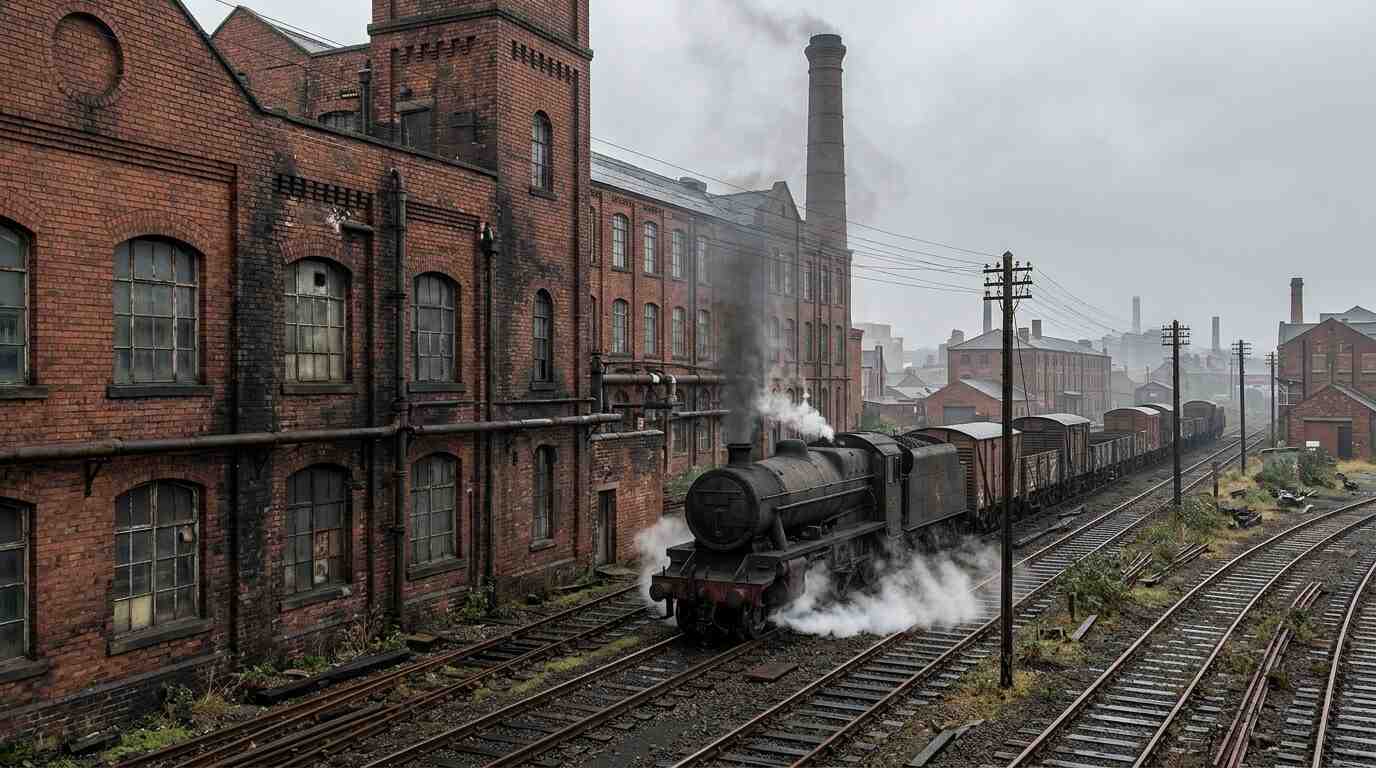
The factory dates to the end of the century. Kraft Heinz says the company opened a new Worcester factory in 1897 that still operates, that the British Army commandeered it in the Second World War, and that it suffered a fire in 1964. Grace’s Guide says the Midland Road factory is named for the Midland Railway, whose sidings brought in raw materials and carried out finished sauce.
Ownership changed hands several times. Grace’s Guide says Lea & Perrins merged in 1930 with its distributor, the maker of HP Sauce; that Imperial Tobacco acquired HP in 1967; and that in 2005 Heinz bought HP Foods, including Lea & Perrins, from Danone.
The profits reached Oxford. The Royal Society of Chemistry’s Education site says that in 1916 Perrins money founded the Dyson Perrins organic chemistry laboratory at Oxford University.
On a sandwich
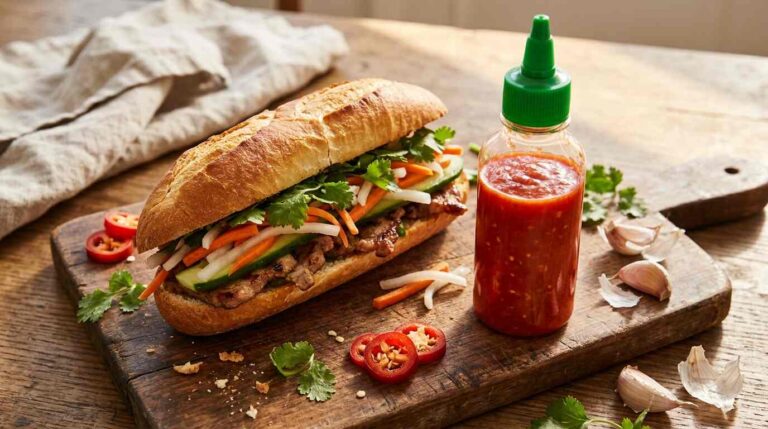
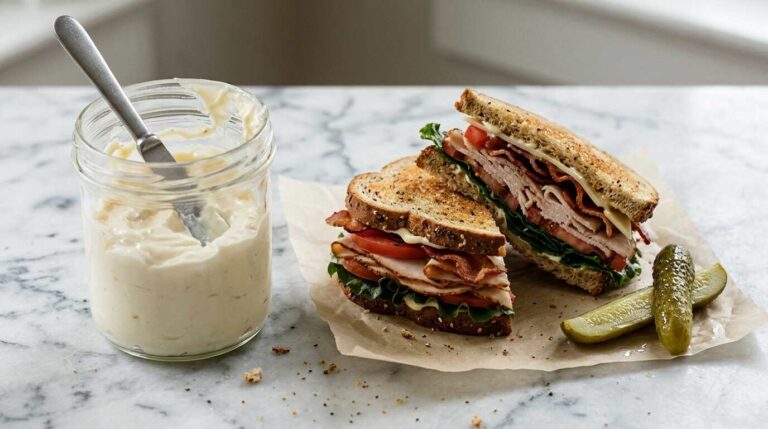
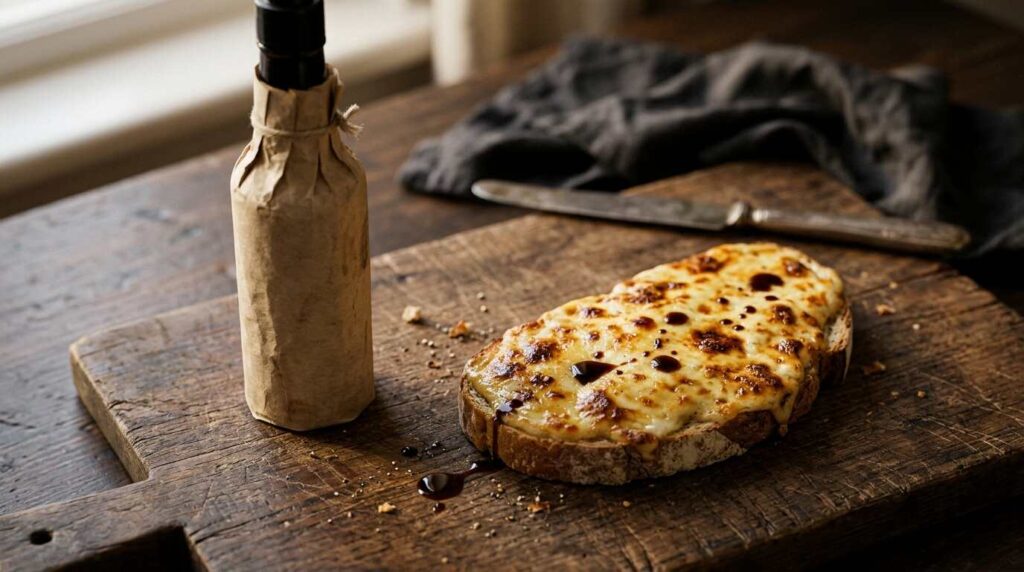
Grill Cheesy’s posts on the French dip, the Louisville hot brown and the cheese toastie cover three sandwiches built around a sauce or melted cheese.
- Lea & Perrins Worcestershire Sauce 1 x 290ml: the 290 ml bottle size. See it on Amazon (affiliate link)
- Lea & Perrins Worcestershire Sauce, Original, 1 gal Jug: a foodservice gallon of the original. See it on Amazon (affiliate link)
- The Secret Sauce – A History of Lea & Perrins: Brian Keogh’s company history. See it on Amazon (affiliate link)
As an Amazon Associate I earn from qualifying purchases. A commission may be earned if you buy through this link, at no extra cost to you.
Questions people ask
Who invented Worcestershire sauce? Worcester chemists John Wheeley Lea and William Henry Perrins.
When was Lea & Perrins first sold? 1837 per Kraft Heinz and CooksInfo; 1838 per Grace’s Guide.
Is the Lord Sandys story true? Former company accountant Brian Keogh concluded it was not, per CooksInfo.
What is in Worcestershire sauce? Vinegars, molasses, sugar, salt, anchovies, tamarind, onions, garlic and spices.
Who owns Lea & Perrins? Kraft Heinz; Heinz bought it with HP Foods in 2005.
Sources
- Grace’s Guide to British Industrial History, “Lea and Perrins”: https://gracesguide.co.uk/Lea_and_Perrins
- CooksInfo, “Worcestershire Sauce” (October 17, 2002; updated October 4, 2020): https://cooksinfo.com/worcestershire-sauce
- Kraft Heinz UK, “Lea & Perrins: Our Story”: https://www.kraftheinz.com/en-GB/lea-and-perrins/our-story
- Royal Society of Chemistry Education, “On this day – Aug 28: Worcester sauce made”: https://edu.rsc.org/resources/on-this-day-aug-28–worcester-sauce-made/10828.article