In this story
Kewpie is the soft squeeze bottle with a cartoon baby on the label, and it has been Japan’s best-known mayonnaise since the bottle first went on sale in 1925. Cooks outside Japan reach for it because it tastes richer and rounder than the jars on most American shelves. The reasons are written on the ingredient list, starting with what the company leaves out of the egg.
Video: The Untold Truth Of Japanese Kewpie Mayonnaise, from the Mashed YouTube channel
A trainee abroad
Mayonnaise and marmalade
The company’s corporate history traces the brand to its founder, Toichiro Nakashima, who traveled to Europe and America in the 1910s as an overseas business trainee. Two foods caught his attention there: mayonnaise and orange marmalade. Both were unknown to most Japanese households at the time. Kewpie’s history page says the trip was made as an intern for what was then Japan’s Department of Agriculture and Commerce, with stays in the United Kingdom and the United States.
Writing for TASTE in August 2025, Cathy Erway put the American stay in 1915 and its length at eight months. Back home, the company that became Kewpie was founded in 1919 as Shokuhin Kogyo Co., a maker mainly of sauces, according to the company timeline.
The mayonnaise arrived in 1925. Kewpie’s timeline calls it the first Japanese-made mayonnaise, and a launch advertisement ran that year in The Canners Journal.
Yolks, not whole eggs
Twice the yolk
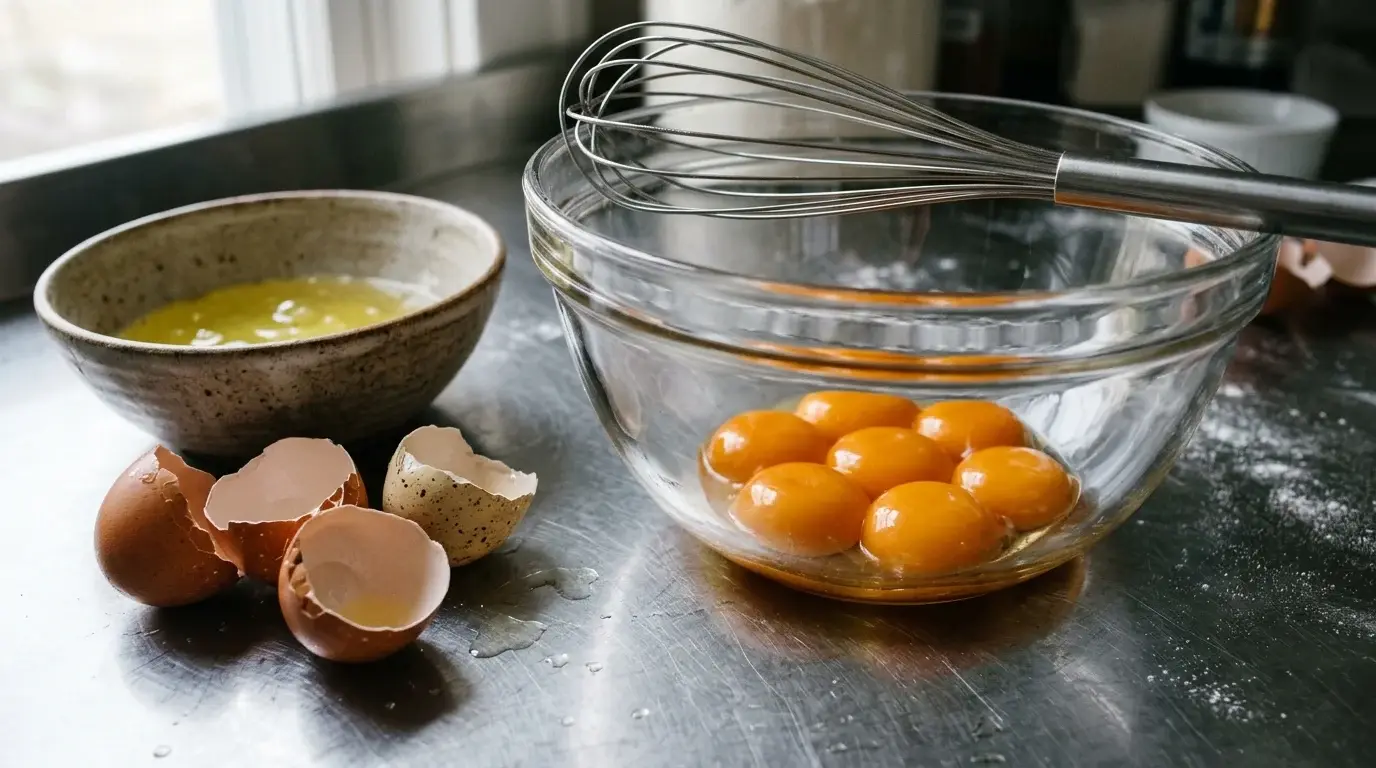
The defining choice was the egg. On its product page, Kewpie says the mayonnaise is “carefully crafted using only egg yolks, not whole eggs.” Most American mayonnaise uses the whole egg, white included.
Kewpie USA’s history page goes further: the company says the original recipe used twice as much yolk as the imported mayonnaise sold in Japan at the time, and ties the recipe to Nakashima’s hope of improving the physique of Japanese people. A 2013 Japan Times article repeated the same account from the official company history, describing yolks only and in doubled amount.
TASTE counted about four egg yolks in each 450-gram bottle. Erway also reported that Nakashima set up an egg farm to supply the mayonnaise in the 1930s.
What happens to the whites
A yolk-only recipe leaves a pile of egg whites behind. Kewpie’s own history says that as shipments climbed, Nakashima reportedly told staff the mayonnaise business could only succeed if the company found a good use for egg white. That problem pushed the company into egg products well beyond the bottle.
The doll on the label
A cartoon from 1909
The name came from America too. TASTE reported that Nakashima bought the Japanese rights to the Kewpie doll, a character based on a 1909 cartoon by the illustrator Rose O’Neill.
TASTE also noted a five-year break in production after World War II. Kewpie USA says production resumed three years after it stopped. The two accounts give different lengths for the pause, and neither page explains the gap.
Vinegar and umami
What the company names
Kewpie’s product page lists the main ingredients as egg yolks, vegetable oil and vinegar. The vinegar is its own. The company says it uses a mayonnaise-specific vinegar made from apple juice and malt, developed by Kewpie Jyozo, a vinegar company it founded in 1962.
Erway’s description of the original 1925 recipe adds rice vinegar and MSG, the glutamate seasoning that had recently become a household product in Japan. Food writers have described the vinegar in different ways over the years: rice vinegar in some accounts, apple cider vinegar in others, a blend in still others. The company’s current page names only apple and malt.
The American bottle
Same name, different label
Kewpie sold in the United States is not always the Japanese product. Chowhound’s Elias Nash, writing in August 2024, listed the differences: the American version comes in smaller packages with a modified logo, lacks the plastic sleeve on the Japanese bottle, adds sugar and leaves out MSG.
Nash added a detail. The American version uses yeast extract, which carries naturally occurring glutamate, so the umami is not missing entirely, only reduced and changed in character. The outer plastic sleeve is the quickest way to spot the Japanese bottle on a shelf.
Where it goes on a sandwich
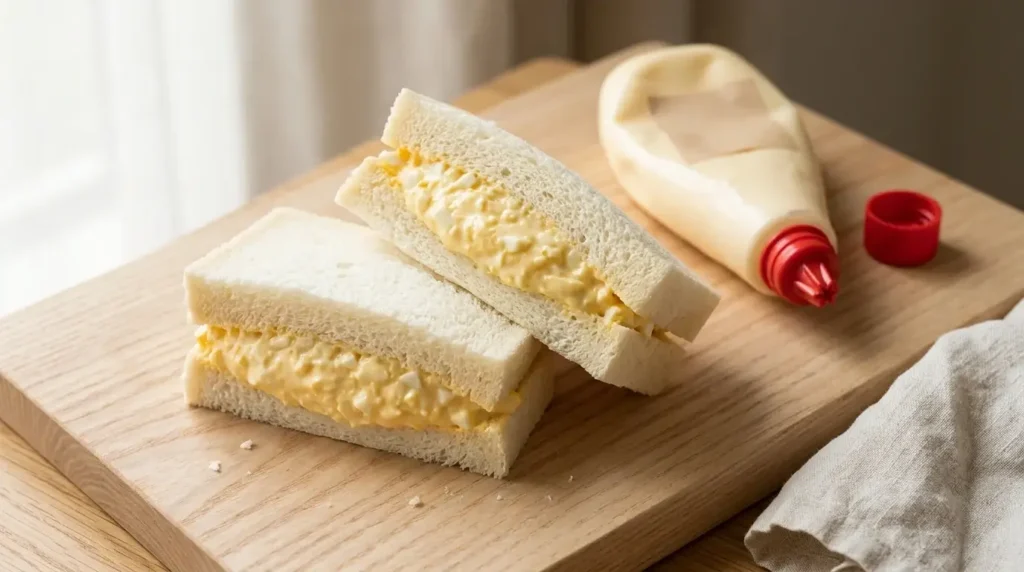
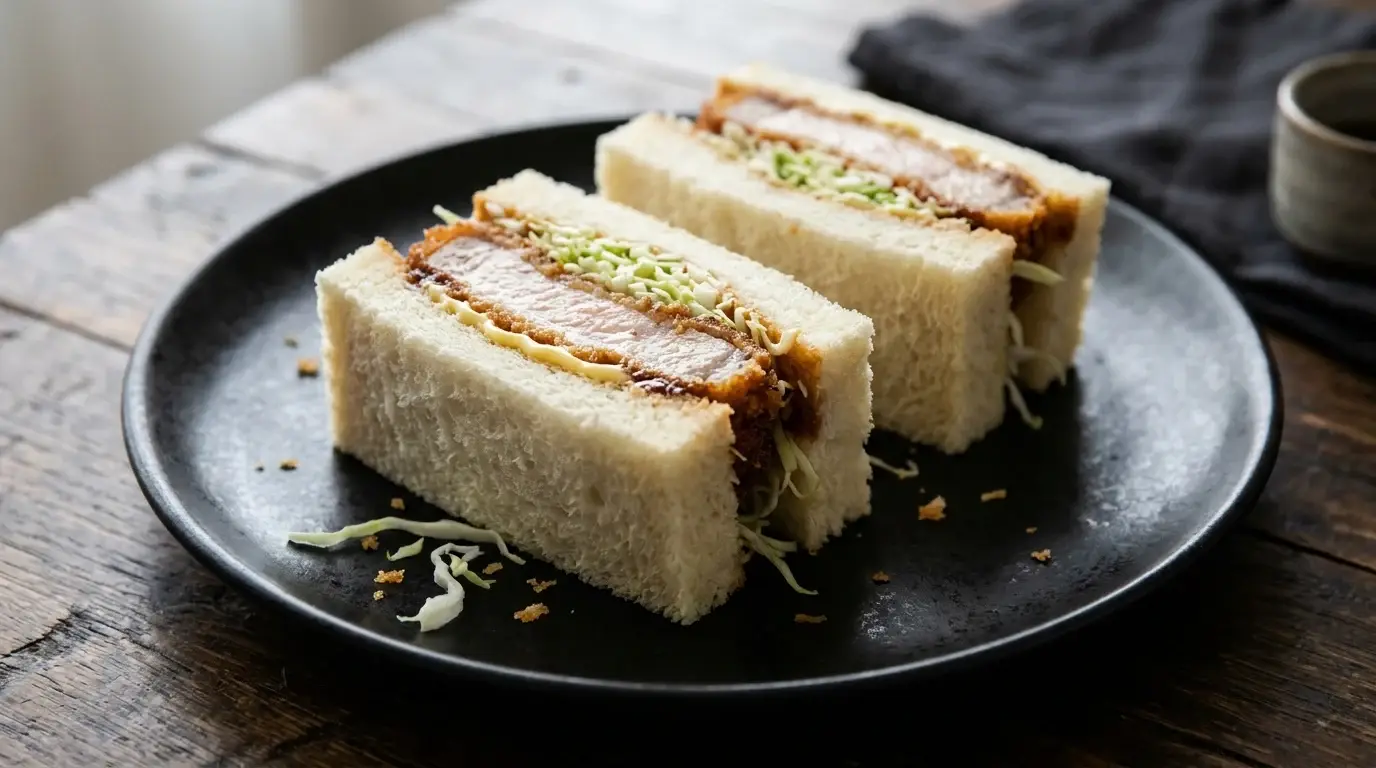
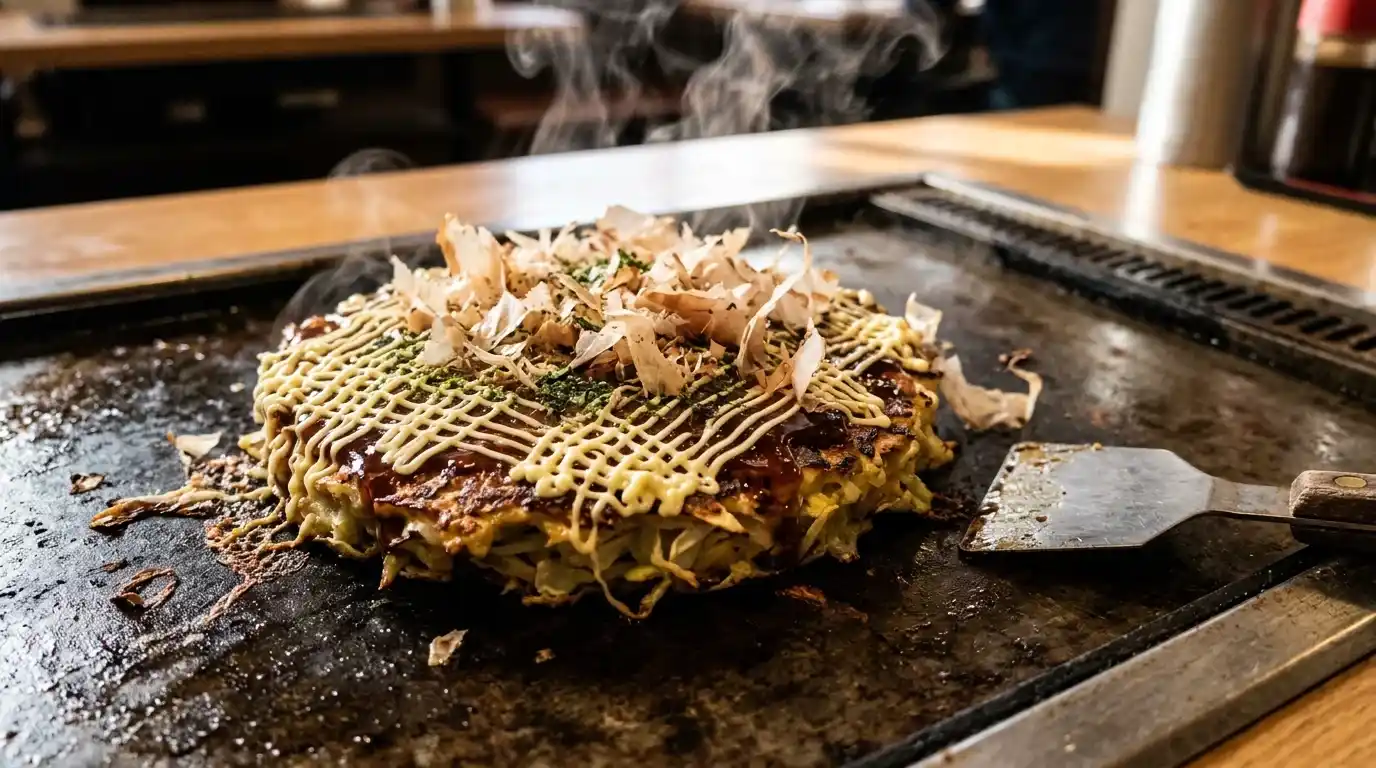
The egg-yolk richness is why Kewpie turns up in Japanese sandwiches. The katsu sando and the okonomiyaki both lean on it. For the American side of the jar, Grill Cheesy has covered Duke’s mayonnaise, the old argument of mayonnaise against Miracle Whip and the line between aioli and mayonnaise.
A century on
Top of the market
Kewpie marked its 100th year in March 2025, according to the product page. The company also claims the top share of Japan’s mayonnaise market by value, citing INTAGE retail data for November 2023 to October 2024.
The anniversary brought a cookbook. For the Love of Kewpie: A Cookbook and Celebration, by Elyse Inamine and Jessie YuChen with the Kewpie Corporation, was scheduled for October release from Workman Publishing, TASTE reported. In the same piece, recipe developer Yasmin Fahr described how editors react when she asks for the brand by name: “There’s a respect for Kewpie.”
Where to buy it
Both the Japanese bottle and the anniversary cookbook are on Amazon:
- Kewpie Mayonnaise, Product of Japan, Creamy Umami, 15.86 oz: the Japan-made squeeze bottle with egg yolks and MSG. See it on Amazon (affiliate link)
- For the Love of Kewpie (The Kewpie Mayo Cookbook): A Cookbook and Celebration: the hardcover by Kewpie Corporation, Elyse Inamine and Jessie YuChen. See it on Amazon (affiliate link)
Video: How Kewpie Japanese Mayo is Made in a Factory, from the Made of What? YouTube channel
As an Amazon Associate I earn from qualifying purchases. A commission may be earned if you buy through this link, at no extra cost to you.
Sources
- Kewpie Corporation, Corporate History: https://www.kewpie.com/en/ir/management/history/
- Kewpie Corporation, History: https://lp.kewpie.com/en/company/about/history/
- Kewpie Corporation, Company History timeline (PDF, 2023): https://lp.kewpie.com/en/company/pdf/company_about_history_202305.pdf
- Kewpie Corporation, History (egg white): https://www.kewpie.com/en/history/
- Kewpie Corporation, KEWPIE Mayonnaise: https://kewpie.com/en/products/mayonnaise
- Kewpie USA, History of Kewpie: https://www.kewpieshop.com/pages/history-of-kewpie-2
- Cathy Erway, TASTE, 100 Years In, Kewpie Is More Than Mayo (2025): https://tastecooking.com/?p=130626
- The Japan Times, Why not just add a dollop of mayonnaise? (2013): https://www.japantimes.co.jp/life/2013/03/22/food/why-not-just-add-a-dollop-of-mayonnaise
- Elias Nash, Chowhound, How American Kewpie Mayo Differs From The Original (2024): https://chowhound.com/1648911/american-vs-japanese-kewpie-mayo