In this story
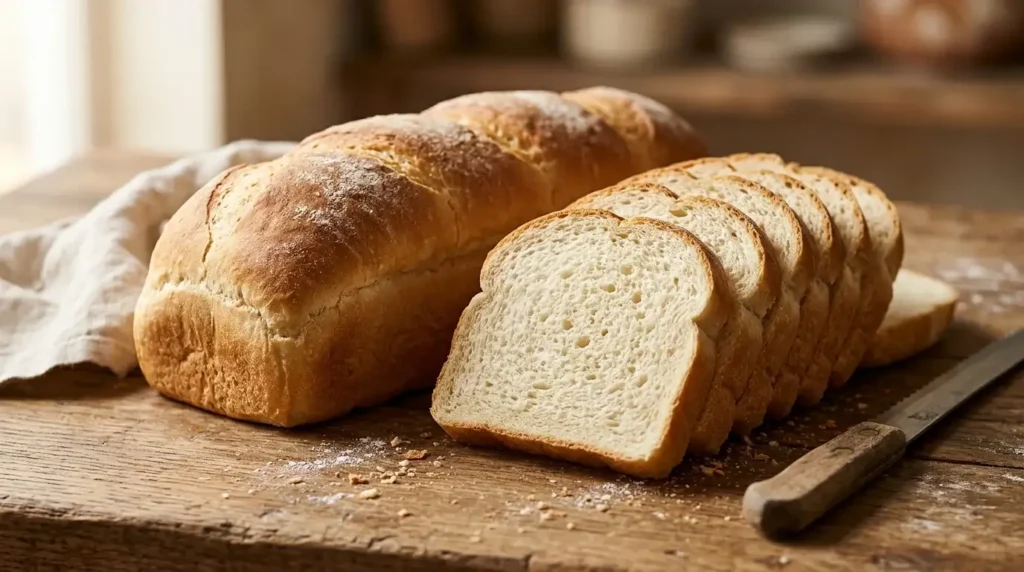
Pre-sliced bread went on sale for the first time on July 7, 1928, at the Chillicothe Baking Company in Chillicothe, Missouri, using a machine built by the Iowa jeweler Otto Rohwedder. A historical marker in Chillicothe records that baker Frank Bench and Rohwedder began selling the first pre-sliced loaves there on that date, and that many bakers had rejected the machine before Bench accepted it.
The date is well documented. Almost everything around it, from when Rohwedder started to why the United States briefly outlawed the product in 1943, appears in different versions across the sources, and those differences are laid out below.
Video: Sliced Bread: Where did it come from? | Stuff of Genius, HowStuffWorks
Bread before the slicer
Around 1890, roughly 90 percent of American bread came out of home ovens, according to Smithsonian Magazine. By 1930, factories had taken over. Factory loaves were also far softer than the homemade kind, which made them harder to cut cleanly at the table.
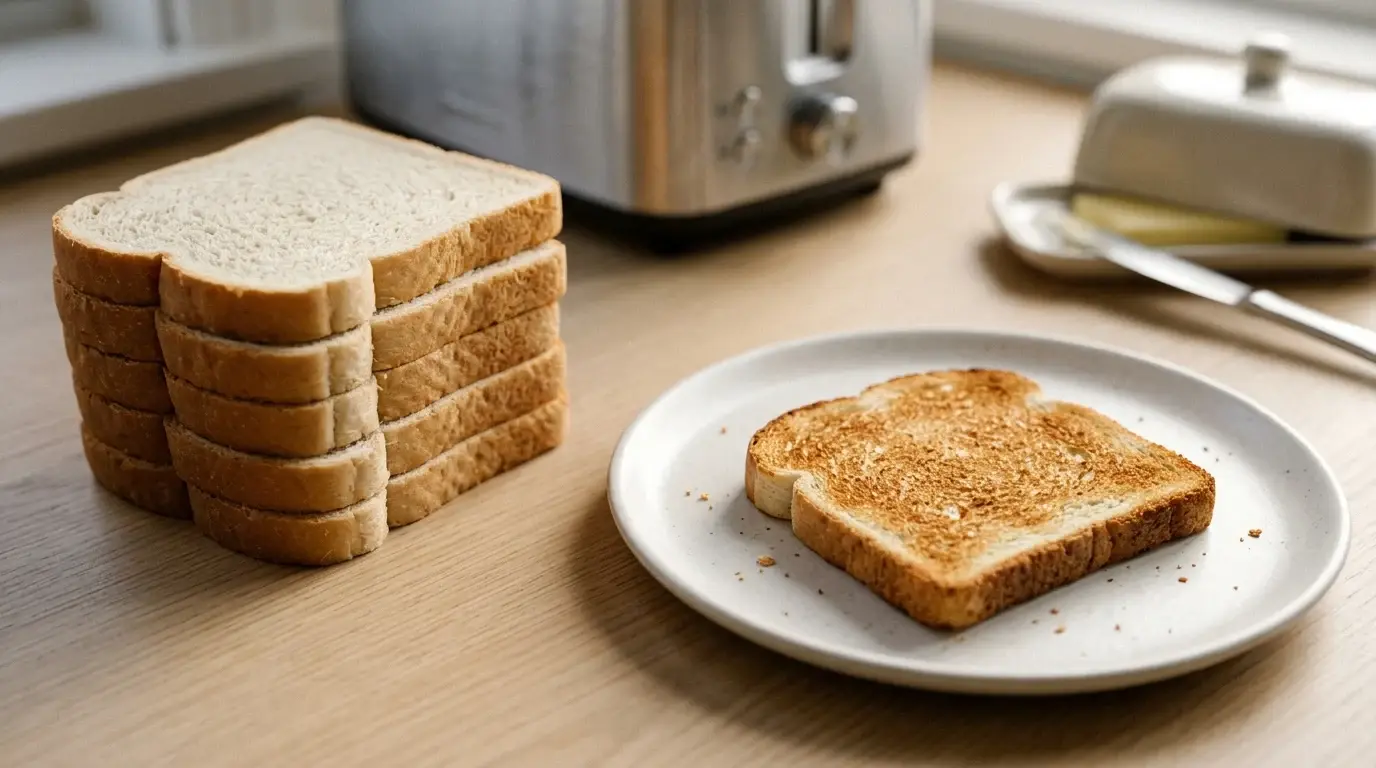
One account of Rohwedder’s motive comes from a 2003 radio commentary by Bill Hammack, who writes that grocers told the inventor their customers wanted toast but could not slice bread thin enough for toaster slots. The pop-up toaster was already on the market. The Takeout reports that Charles Strite received a patent for the Toastmaster in 1921, a model that toasted both sides and ejected the bread on a timer.
Sliced loaves met resistance first
Bakers doubted that a cut loaf would stay fresh, a worry Hammack’s commentary records as an objection. The concern had a physical basis. Mental Floss reports that sliced loaves later needed about twice as much paraffin wrapping as whole ones, because the wrap kept the slices from drying out.
A jeweler’s failed prototypes
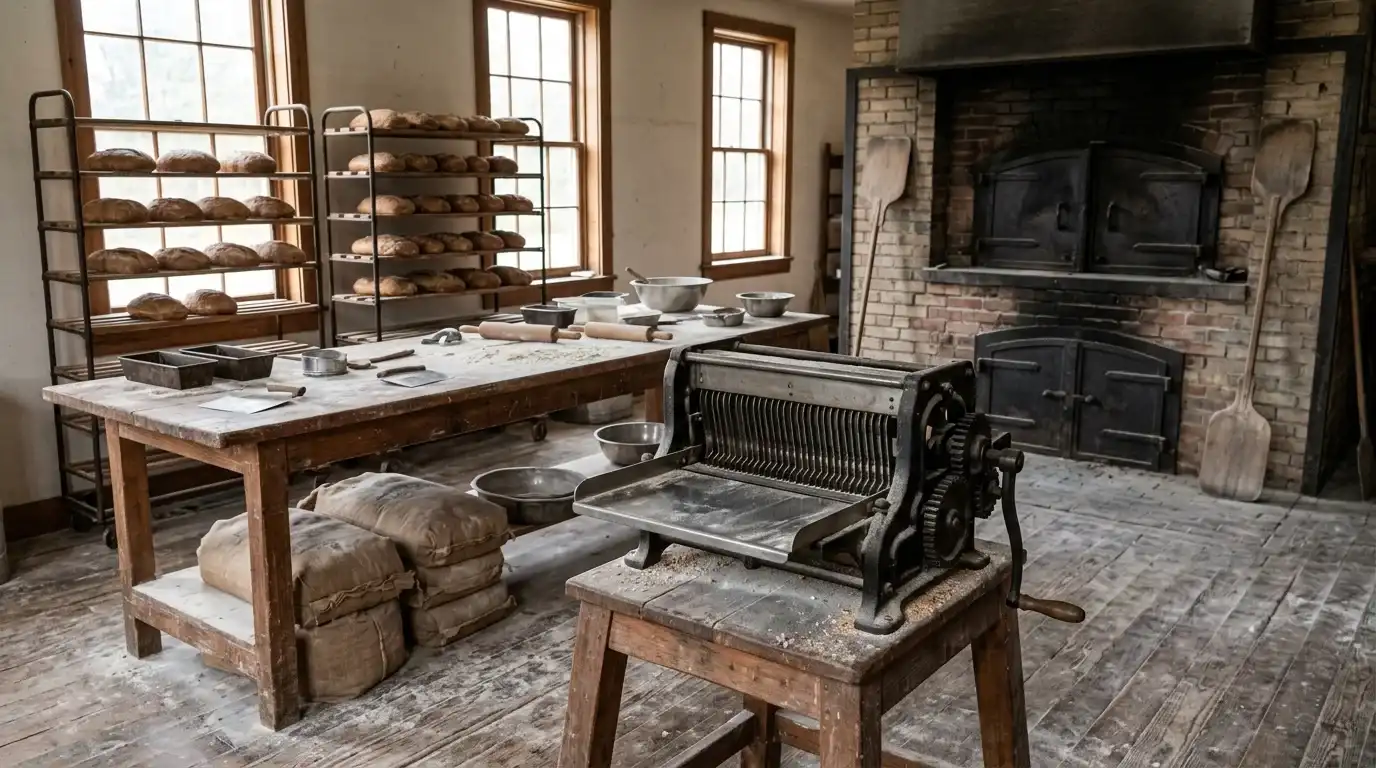
Otto Frederick Rohwedder was born in Iowa in 1880 and ran jewelry stores before turning to bread. The Lemelson-MIT program states that he ran three stores in St. Joseph, Missouri, until 1916, sold them, and returned to Davenport, Iowa, convinced he had a workable idea.
The starting year is contested. Lemelson-MIT dates his first work on an automatic slicer to around 1912, while Smithsonian Magazine, citing historian Aaron Bobrow-Strain, gives 1917 for the original machine idea. The Federation of Bakers article in Bakery Info says c. 1912, and a patent-history piece from Banana IP says 1916. Several sources agree on the next event: a fire in 1917 destroyed his blueprints and prototypes. Lemelson-MIT places that fire at a factory in Monmouth, Illinois, where a builder had agreed to produce his first devices.
Pins and a decade of rebuilding
The early machines did not hold a loaf together once it was cut. Lemelson-MIT notes that one prototype used metal pins to keep the slices in place, and Banana IP adds that bakers complained the pins fell out. Rebuilding took years. Lemelson-MIT says Rohwedder worked as an investment and security agent while he recovered, and Hammack’s commentary puts the wait for new financing at about ten years.
The idea of slicing bread by machine did not originate with Rohwedder. Tasting Table says earlier versions appeared in the 1860s, citing The Atlantic, though it names no inventor and The Atlantic piece could not be retrieved to confirm the claim. None of the fetched sources names a rival who sold machine-sliced bread to the public before 1928.
Chillicothe, July 7, 1928
Frank Bench had owned a bakery in Chillicothe since the mid-1910s. According to the Historic Missouri item on the bakery, Bench opened a steam bakery in 1916 and the Chillicothe Baking Company at First and Elm Streets in 1921, known for split-top loaves and the Kleen Maid brand. Smithsonian Magazine reports that Bench was a friend of Rohwedder and that his bakery was near bankruptcy when he took the chance on the machine.
The bakery announced the new loaf in a July 6, 1928 advertisement in the Constitution-Tribune, per St. Louis Public Radio. Bakery Info records that Kleen Maid Sliced Bread was released on July 7 and calls that Rohwedder’s 48th birthday, although Lemelson-MIT and Tasting Table both give his birth date as July 6, 1880. A local article from that month, quoted by Saveur, called the company “the first bakers in the world to sell this product to the public.”
What the sales figures say
The numbers diverge. The Chillicothe marker and St. Louis Public Radio both report a 2,000 percent increase in the bakery’s sales within two weeks. Saveur gives the same figure but spreads it over a few months, while Smithsonian Magazine, citing Bobrow-Strain, states the 2,000 percent rise with no timeframe at all. Rohwedder’s son Richard recalled to a reporter that the telephone rang day and night with orders from other bakers.
The machine itself is described inconsistently. The marker gives its size as about five feet long and four feet high; Saveur describes a power-driven slicer about six feet long and five feet tall. That original unit did not last. The Smithsonian’s museum record says it fell apart after about six months of heavy use, and the surviving machine in the collection is Rohwedder’s second.
Another town has made a competing claim. Wikipedia’s entry on sliced bread reports that Battle Creek, Michigan has asserted it sold sliced bread first, though the same entry says historians found no documentation for that. Because the entry is the only source for that claim, it is best read as a lead rather than a finding.
Wrapping, Papendick, and national spread
Slicing alone left a problem: a cut loaf fell apart. Hammack’s commentary credits Gustav Papendick, a St. Louis baker, with buying Rohwedder’s second slicer and working out a way to hold the slices together long enough to wrap them. Rubber bands failed and so did metal pins. A collapsible cardboard tray that kept the slices aligned worked. The Bakery Info piece confirms the St. Louis baker and the cardboard tray, dating the purchase to later in 1928.
Lemelson-MIT states that U.S. Patent No. 1,867,377 was issued to Rohwedder on July 12, 1932. Banana IP gives the filing date as November 1928, which falls after the Chillicothe sale, so the first commercial sale preceded the patent filing.
Rohwedder’s business and the Depression
Orders arrived quickly. The Smithsonian record says Rohwedder’s company, Mac-Roh Sales and Manufacturing, could not keep up with demand for slicers by 1929, and that Continental Baking was selling sliced bread as Wonder Bread by 1930. The Depression cut short Rohwedder’s own manufacturing plans; he sold his rights to Micro-Westco of Bettendorf, Iowa, which put him in charge of a new Rohwedder Bakery Machine Division. Sources disagree on the year of the sale, with Lemelson-MIT placing it in 1929 and the Iowa state historical society page and Tasting Table giving 1933.
The 1933 date shows up again in sales data, with a different meaning. Lemelson-MIT says that by 1933 bakeries were selling more sliced bread than unsliced, while Tasting Table puts roughly 80 percent of American bread as pre-sliced that year. A 1929 industry report, quoted by Smithsonian Magazine, found that nearly every town of more than 25,000 people had sliced bread available.
The 1943 ban
On January 18, 1943, a wartime order took effect barring bakeries from selling ready-sliced bread. Smithsonian Magazine identifies it as Food Distribution Order 1 and ties it to Claude R. Wickard, Secretary of Agriculture and head of the War Food Administration.
The stated reasons vary by source. Smithsonian Magazine gives holding down flour costs and saving wax paper. Atlas Obscura says Wickard argued the ban would save wax paper and the alloyed steel used in slicing machines, and Bakery Info repeats the steel point. Mental Floss, by contrast, attributes the ban to Office of Price Administration flour rules and wax paper, and states that steel was not among the reasons. Tasting Table attributes the order to the FDA, an agency that does not match the Agriculture Department chain described in every other account, so that detail goes unrepeated here.
Public reaction
Households complained loudly. Time magazine, per Atlas Obscura, called the ban “almost as bad as gas rationing—and a whale of a lot more trouble.” A Fairfield, Connecticut, reader named Sue Forrester wrote to The New York Times that sliced bread was vital to household “morale and saneness,” according to Mental Floss. Atlas Obscura adds that she counted 22 slices to cut by hand for one family’s toast and school lunches. Chicago shoppers rushed hardware stores for bread knives, per the Chicago Tribune as reported by Mental Floss.
New York Mayor Fiorello La Guardia broke the order’s momentum. Atlas Obscura reports that on January 24 he announced that bakeries already owning slicers could keep using them. A baker named Fink, who had publicly supported the ban, was fined $1,000 for slicing bread, a penalty Mental Floss dates to 1944 while Atlas Obscura includes it within the ban’s unraveling.
Reversal
The order was rescinded on March 8, 1943, which puts its life at 49 days, under two months. Smithsonian Magazine and Mental Floss agree on that span; Bakery Info says “just over two months” and Tasting Table says three months, and the January 18 and March 8 dates do not support the longer figure. Wickard’s explanation, as reported by Atlas Obscura, was that the savings were smaller than expected and that there turned out to be enough wax paper. The New York Times headline on the reversal, as Mental Floss reports it, promised that housewives’ thumbs were safe again.
What sliced bread did to sandwich making
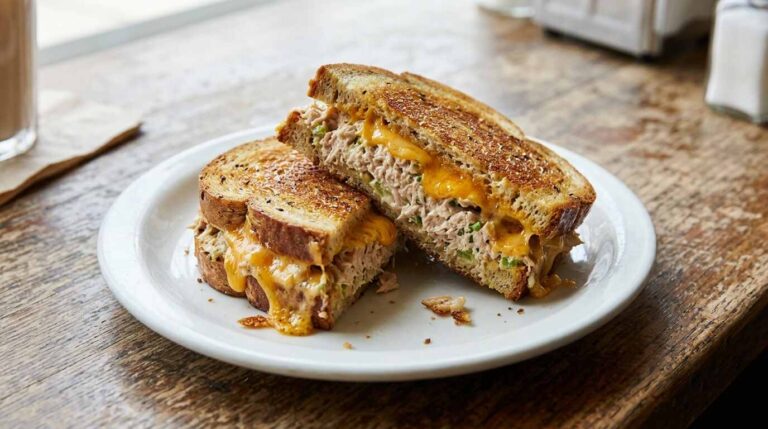
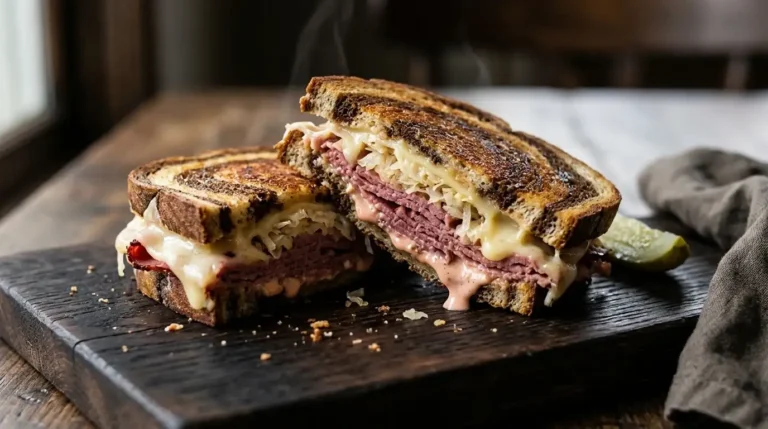
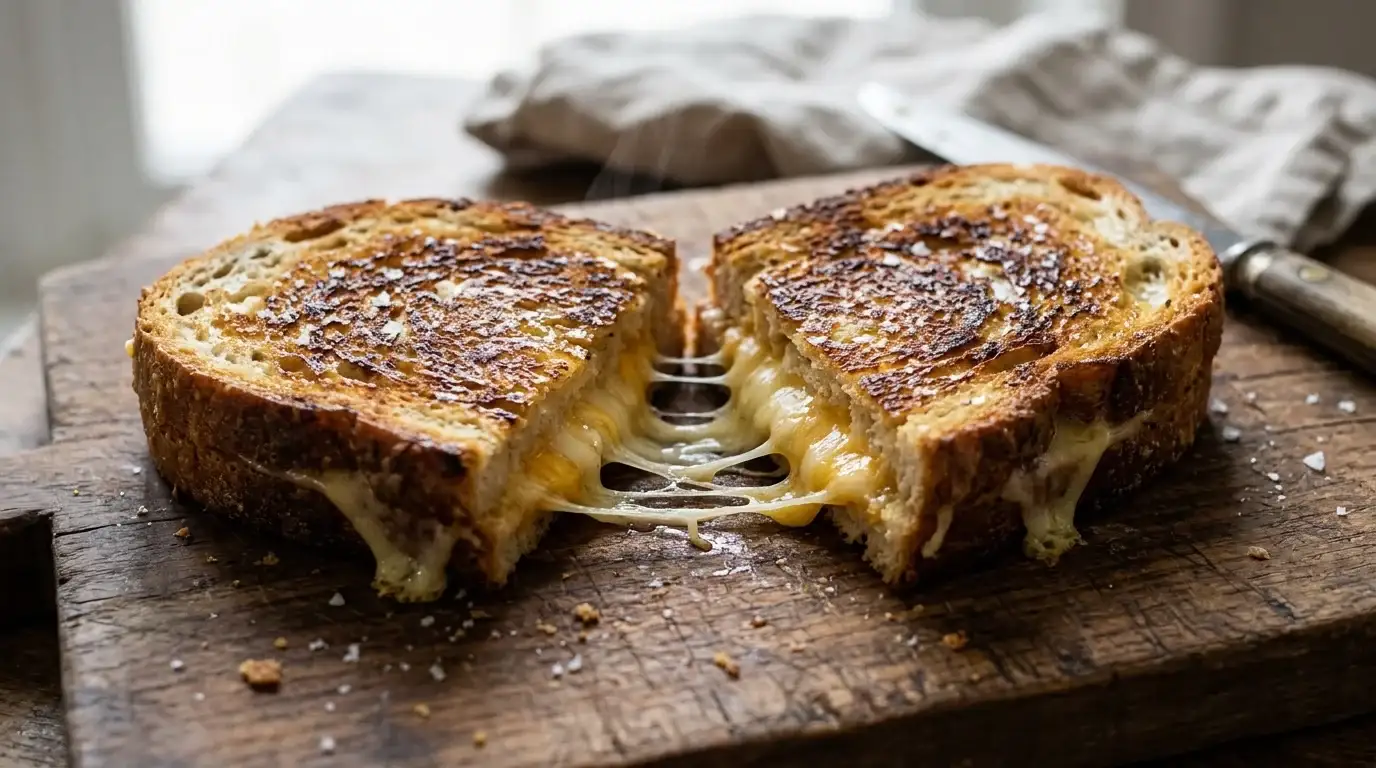
Rohwedder surveyed housewives to settle on a slice thickness just under half an inch, according to Saveur. Tasting Table calls that width the right one for both sandwiches and toast, and describes a sandwich built from a sliced loaf as now ubiquitous.
Bread consumption itself rose once loaves came pre-cut. Bakery Info states that thinner slices and ready-cut loaves made bread more convenient to eat and increased consumption, with jam and honey also gaining ground.
The 1943 ban offers a measure of how quickly the habit set in, fifteen years after the first sale in Chillicothe. Forrester’s letter to the Times, as Atlas Obscura reports it, tallied the slices a single household would now have to cut by hand for breakfast toast and children’s lunches. Rohwedder’s second machine, the one the Smithsonian holds, was donated in 1974 and now sits on loan at the Grand River Historical Society Museum in Chillicothe, according to St. Louis Public Radio.
Sources:
- Historical marker, “The Home of Sliced Bread,” Chillicothe, Missouri: https://www.hmdb.org/m.asp?m=311897
- Smithsonian Magazine, “Take a Look at the Patents Behind Sliced Bread”: https://www.smithsonianmag.com/smart-news/take-look-patents-behind-sliced-bread-180963870/
- Smithsonian Magazine, the 1943 wartime ban on sliced bread: https://www.smithsonianmag.com/smart-news/the-ridiculous-reason-why-the-us-enacted-a-wartime-ban-on-sliced-bread-salesand-why-it-didnt-last-long-180985834/
- Lemelson-MIT, “Otto Rohwedder”: https://lemelson.mit.edu/resources/otto-rohwedder
- Smithsonian National Museum of American History, commercial bread-slicing machine: https://www.si.edu/object/nmah_1317263
- Saveur, “History of Sliced Bread”: https://www.saveur.com/article/Kitchen/history-of-sliced-bread
- Mental Floss, “The Time the U.S. Government Banned Sliced Bread”: https://www.mentalfloss.com/food/time-us-government-banned-sliced-bread
- Atlas Obscura, “Remembering When America Banned Sliced Bread”: https://atlasobscura.com/articles/america-banned-sliced-bread
- St. Louis Public Radio, “A Missouri town almost forgot it invented the greatest thing since sliced bread”: https://www.stlpr.org/culture-history/2022-07-10/a-missouri-town-almost-forgot-it-invented-the-greatest-thing-since-anything-sliced-bread
- Tasting Table, “The Complete History of Sliced Bread”: https://www.tastingtable.com/1031127/the-complete-history-of-sliced-bread
- Bakery Info, “What was the best thing before sliced bread?”: https://bakeryinfo.co.uk/retail/what-was-the-best-thing-before-sliced-bread/623804.article
- Banana IP, bread-slicing patent history: https://www.bananaip.com/intellepedia/bread-slicing-patent-history-otto-rohwedder-invention/
- Bill Hammack, “Sliced Bread” radio commentary (2003): https://engineerguy.com/comm/4263.htm
- The Takeout, “What Came First, Sliced Bread Or The Pop-Up Toaster?”: https://www.thetakeout.com/1761360/pop-up-toaster-sliced-bread-history/
- Historic Missouri, Chillicothe Baking Company: https://historicmissouri.org/items/show/169
- Wikipedia, “Sliced bread” (pointer only): https://en.wikipedia.org/wiki/Sliced_bread