In this story
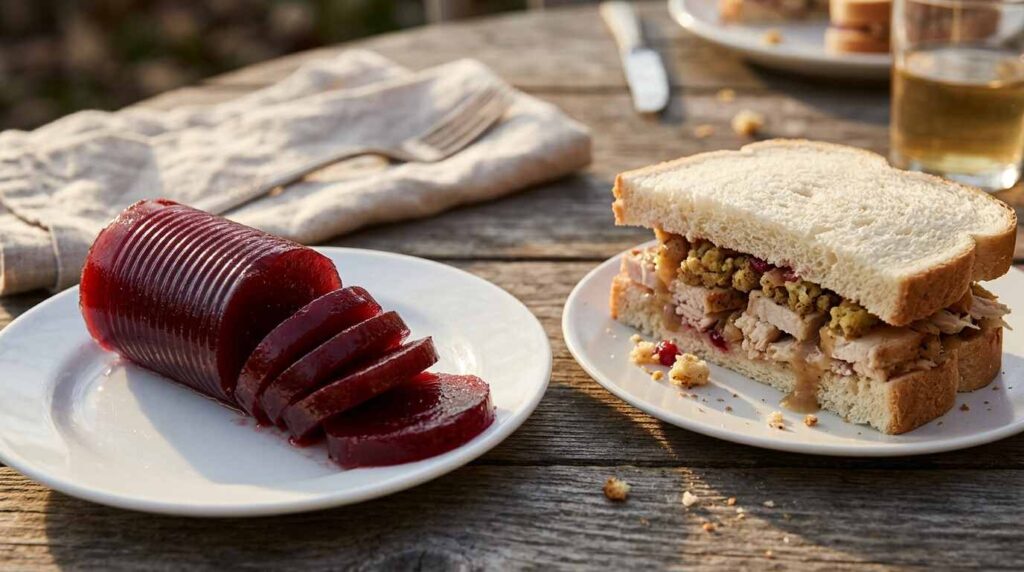
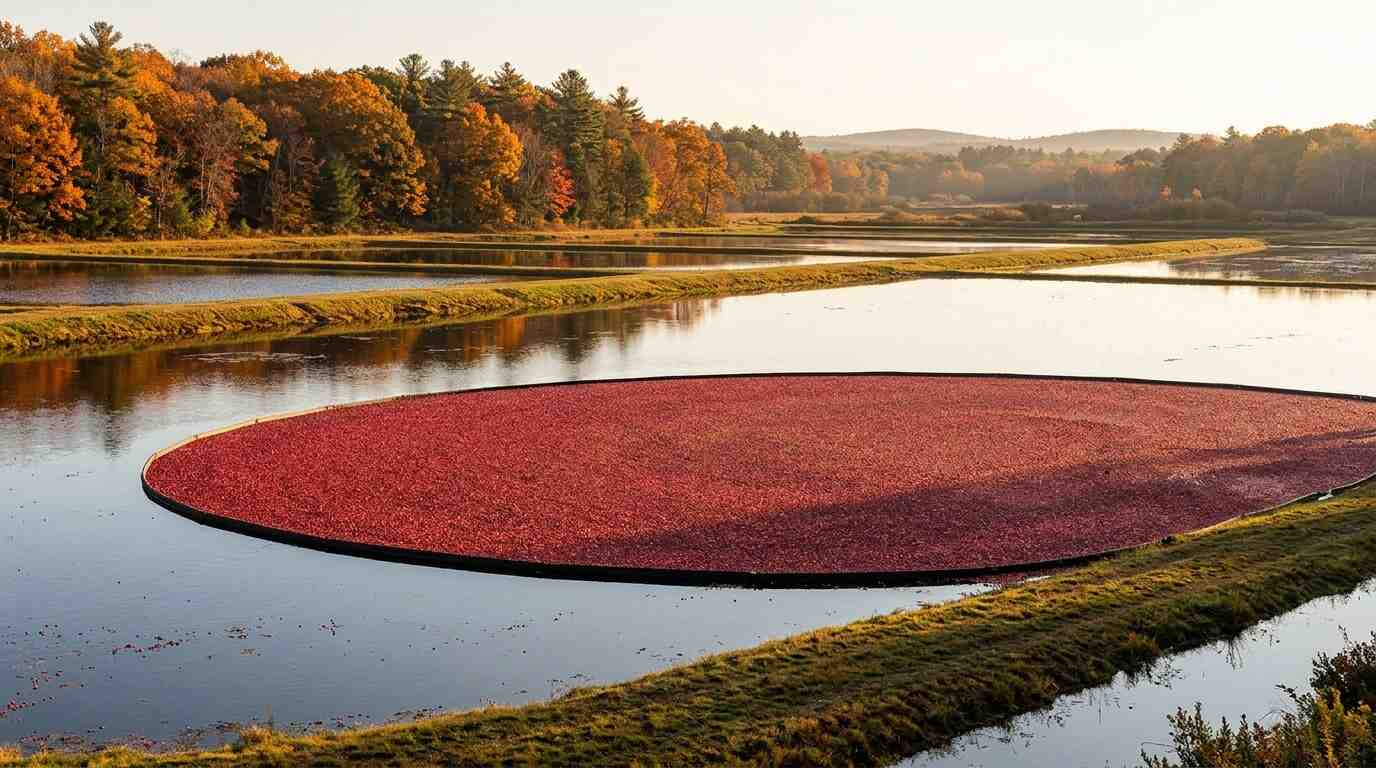
The jellied cranberry log holds the shape of the can it came in. It exists because a Massachusetts lawyer wanted to sell cranberries for more than a few weeks a year. The company he helped build became Ocean Spray, and it nearly lost a season of sales in 1959 to a federal warning about a weed killer.
Video: The Great Cranberry Scare of 1959, from The History Guy YouTube channel
A lawyer with a bog
The problem was the calendar. Smithsonian Magazine says Marcus L. Urann, a lawyer, bought a cranberry bog around the turn of the 20th century and in 1912 began canning cranberries to stretch a harvest that lasts about six weeks in autumn. Historian Robert Cox, coauthor of Massachusetts Cranberry Culture: A History from Bog to Table, told the magazine that Urann’s canned products lasted months instead of days.
WBUR, in a 2019 report by Adrian Ma, says Urann sold the sauce under the name Ocean Spray Preserving Company, and quotes Cox calling the move radical for a fruit sold almost entirely fresh.
From Cranberry Canners to Ocean Spray
The cooperative came next. Smithsonian says that in 1930 Urann persuaded rival growers to form Cranberry Canners, Inc., which became the National Cranberry Association in 1946 and Ocean Spray in 1957. WBUR describes the result as a grower-owned cooperative obliged to buy all of its members’ fruit each season, which it says now claims about two-thirds of the world’s cranberry supply.
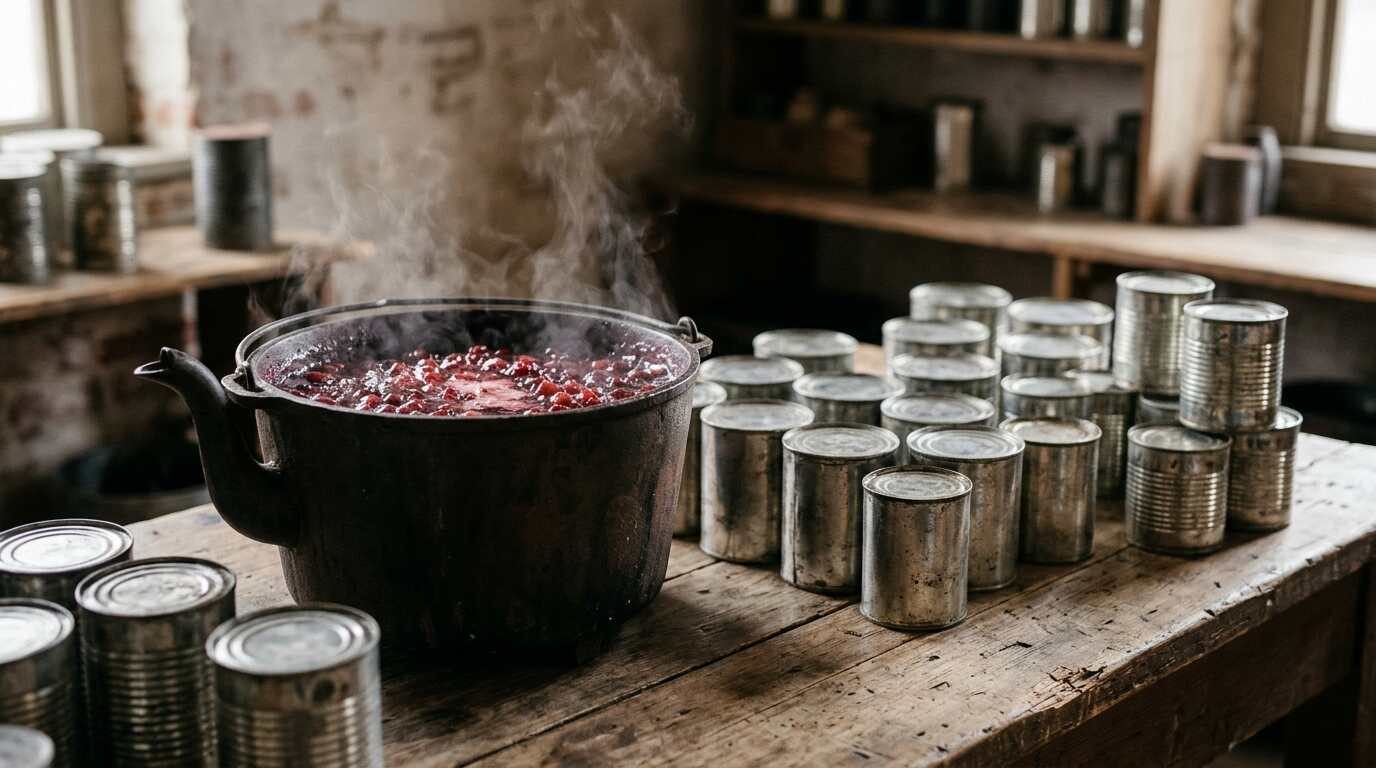
The jellied log went national in 1941, according to Smithsonian. The magazine says pectin, the fruit’s natural setting agent, gives the sauce its gel, that each can holds about 200 berries, and that Americans eat 5,062,500 gallons of jellied sauce each holiday season.
November 9, 1959
The scare hit just before Thanksgiving. WBUR and NPR’s The Indicator from Planet Money both say that on November 9, 1959, Health, Education and Welfare Secretary Arthur Flemming warned the public that cranberry samples from Oregon and Washington contained traces of aminotriazole, a herbicide. The two describe the cancer link differently: WBUR says some lab tests linked it to thyroid cancer in rats, while NPR says it was known to cause thyroid cancer in rats and that carcinogens had been banned for agricultural use the year before.
Sales stopped almost at once. NPR says grocery stores pulled cranberry products within hours and that one producer, Decas Cranberry Products, had 40 trailer loads canceled within an hour. It reports that later tests found aminotriazole in only about 1 to 2 percent of the fruit inspected. WBUR says the FDA had cleared about 16.6 million pounds of fruit by Thanksgiving, that the 1959 crop was the largest in history and much of it went unsold, and that in 1962 Congress paid growers roughly $8.5 million.
Out of the can, into the glass
The scare pushed the co-op past the holiday. WBUR says that in the early 1960s Ocean Spray reformulated its Cranberry Juice Cocktail to be sweeter and marketed it nationwide, turning cranberries into a year-round product, and later added aseptic juice boxes in the 1980s and dried cranberries in the late 1990s after a glut sent prices down.

On a sandwich
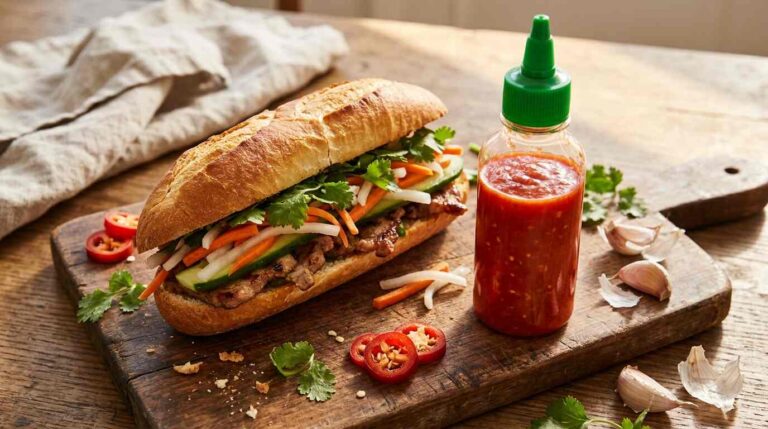
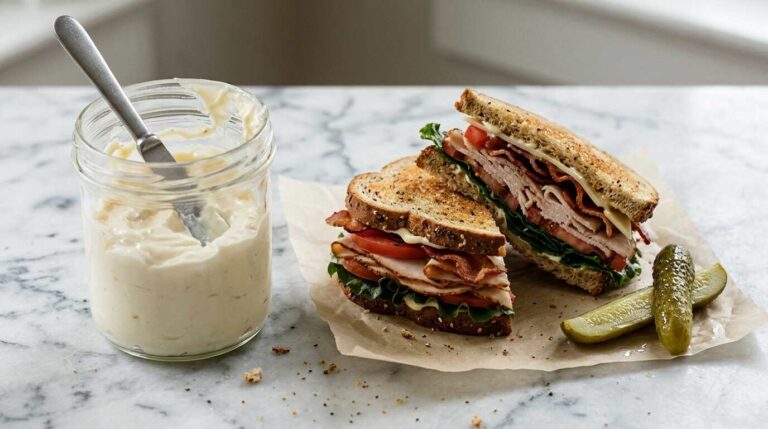
Grill Cheesy’s posts on the club sandwich and the Monte Cristo cover two classic layered sandwiches.
- Ocean Spray Jellied Cranberry Sauce, Canned Side Dish, 14 Oz Can, (Pack of 4): the jellied log. See it on Amazon (affiliate link)
- Ocean Spray Whole Cranberry Sauce, Canned Side Dish, 14 Oz Can (Pack of 1): the whole-berry version. See it on Amazon (affiliate link)
- Ocean Spray® Craisins® Original Dried Cranberries, Dried Fruit, 48oz: the dried cranberries WBUR dates to the late 1990s. See it on Amazon (affiliate link)
- Massachusetts Cranberry Culture: A History from Bog to Table: Robert Cox’s history, cited by Smithsonian. See it on Amazon (affiliate link)
As an Amazon Associate I earn from qualifying purchases. A commission may be earned if you buy through this link, at no extra cost to you.
Questions people ask
Who invented canned cranberry sauce? Marcus L. Urann, starting in 1912.
When did jellied cranberry sauce go national? 1941, per Smithsonian.
When did Ocean Spray get its name? The cooperative became Ocean Spray in 1957, per Smithsonian; Urann used the name for his company from 1912, per WBUR.
What was the 1959 cranberry scare? A federal warning on November 9, 1959, about herbicide traces in some cranberries.
How many cranberries are in a can of cranberry sauce? About 200, per Smithsonian.
Sources
- Smithsonian Magazine, “This Man Made the First Canned Cranberry Sauce” (undated online): https://www.smithsonianmag.com/arts-culture/this-man-made-the-first-canned-cranberry-sauce-180947862/
- WBUR, Adrian Ma (September 17, 2019): https://www.wbur.org/bostonomix/2019/09/17/cranberries-juice
- NPR, The Indicator from Planet Money, “The Great Cranberry Crash of 1959” (2019): https://www.npr.org/transcripts/781748748